

.png)
What makes some NPS surveys work better than others? It’s usually not about how the survey is designed. Many companies spend a lot of time creating smart follow-up questions, but still find it hard to collect valuable customer feedback.
The real difference comes down to timing. Even the best-designed survey won't get you actionable insights if you send it at the wrong time. Now, the question isn't just whether to run NPS surveys, but how often to send nps survey invitations to your customer base.
In this guide, we will walk you through everything you need to know about survey timing, so you can collect the best data possible and understand your customer sentiment.
Can you remember the last time someone asked you for feedback weeks after an experience? Chances are, you either couldn't remember the details or didn't bother responding at all. Your customers feel the same way. According to research from the Event Marketing Institute's 2024 Study, feedback collected within 2 hours scores 40% higher on actionability than delayed surveys. This means that when you send an nps survey at the right moment, you're more likely to capture genuine customer satisfaction and loyalty while the experience is still fresh. If you send the survey too late, you risk getting incomplete memories or no response at all.
On the other hand, if you get the timing right, you'll see your response rate climb. In some cases, by as much as 32% for surveys sent within two hours of an interaction.
The best time to send nps isn't just about maximizing numbers, though. It's about respecting your customer's time and catching them when they actually have something meaningful to share about their interactions with your brand.
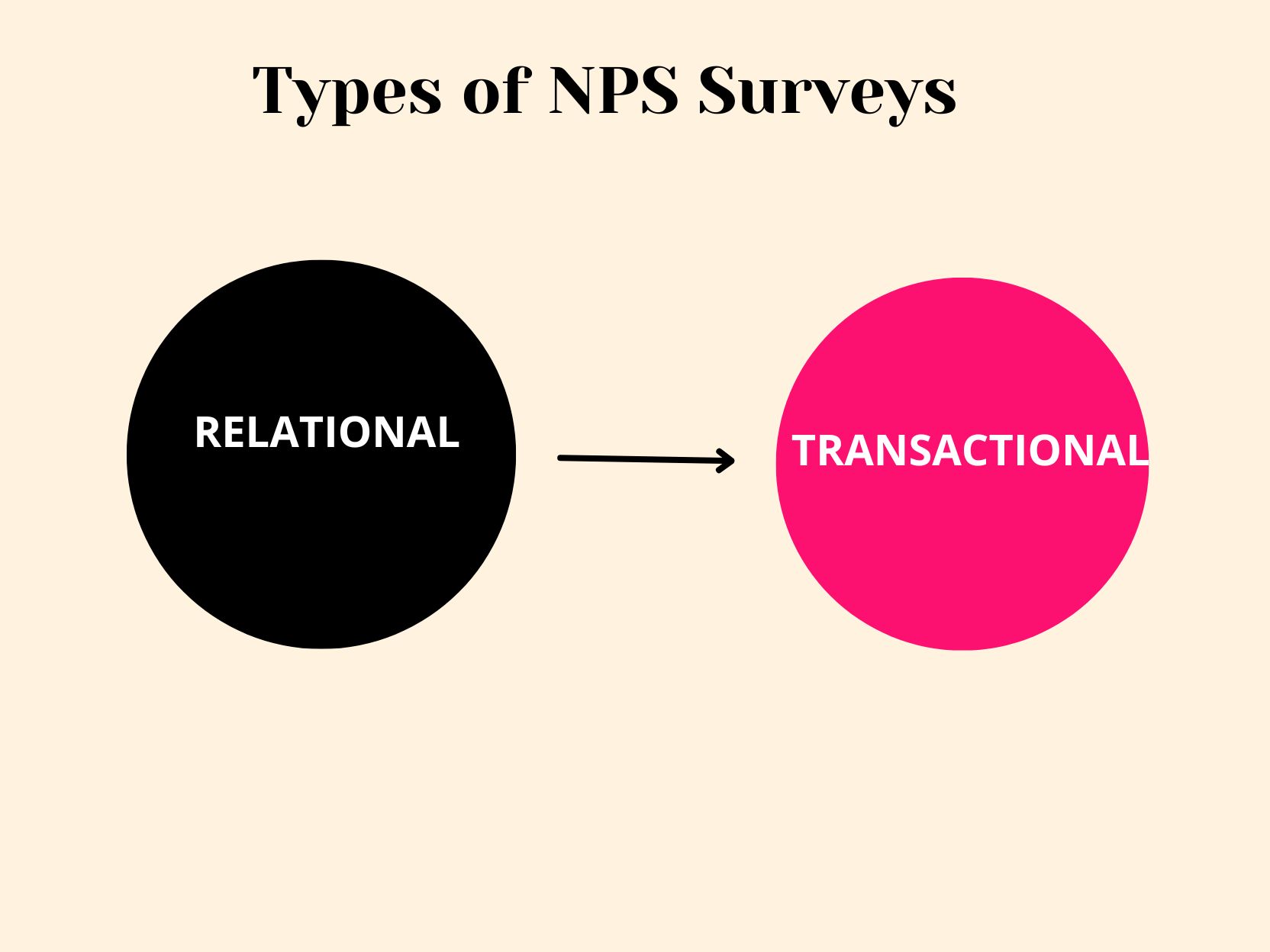
Before we go into specific timing strategies, you need to understand that not all nps survey types are created equal. There are two main approaches to measuring the net promoter score, and each requires different survey timing considerations.
Relationship nps surveys measure your overall customer satisfaction and loyalty over time. These relational surveys give you a view of how your customer base feels about your products. They're not tied to any specific touchpoint or event; instead, they help you track whether your loyalty metrics are moving across your entire product experience.
Most successful nps programs use relational nps on a quarterly, biannual, or annual basis. This gives you enough time between surveys sent to see actual changes in customer sentiment while preventing survey fatigue.
You want to send these surveys at regular intervals without overwhelming your users. Most successful nps programs use relational nps on a quarterly, biannual, or annual basis. This gives you enough time between surveys sent to see actual changes in customer sentiment while preventing survey fatigue.
Transactional surveys are your secret weapon for understanding specific customer interactions. When you send transactional nps surveys, you're asking about a particular moment in the customer journey. Maybe right after onboarding, following a support ticket resolution, or after a significant product interaction.
These transactional nps survey types should be sent shortly after the event happens. We're talking within hours or days at most, not weeks. The immediacy is what makes them valuable for measuring customer experience at critical moments. As product teams, you can tie these surveys directly to feature releases, design changes, or new user flows you've just shipped.
Now let's get into the practical stuff. What's the best time to send nps surveys, actually, to get responses? According to a study by the University of California’s Office of Institutional Research, survey invitations sent on Tuesday between 9:30 AM and 1 PM received about 12% higher early response rates compared to other days of the week. This makes mid-morning on a Tuesday your ideal window for sending relational NPS surveys via email.
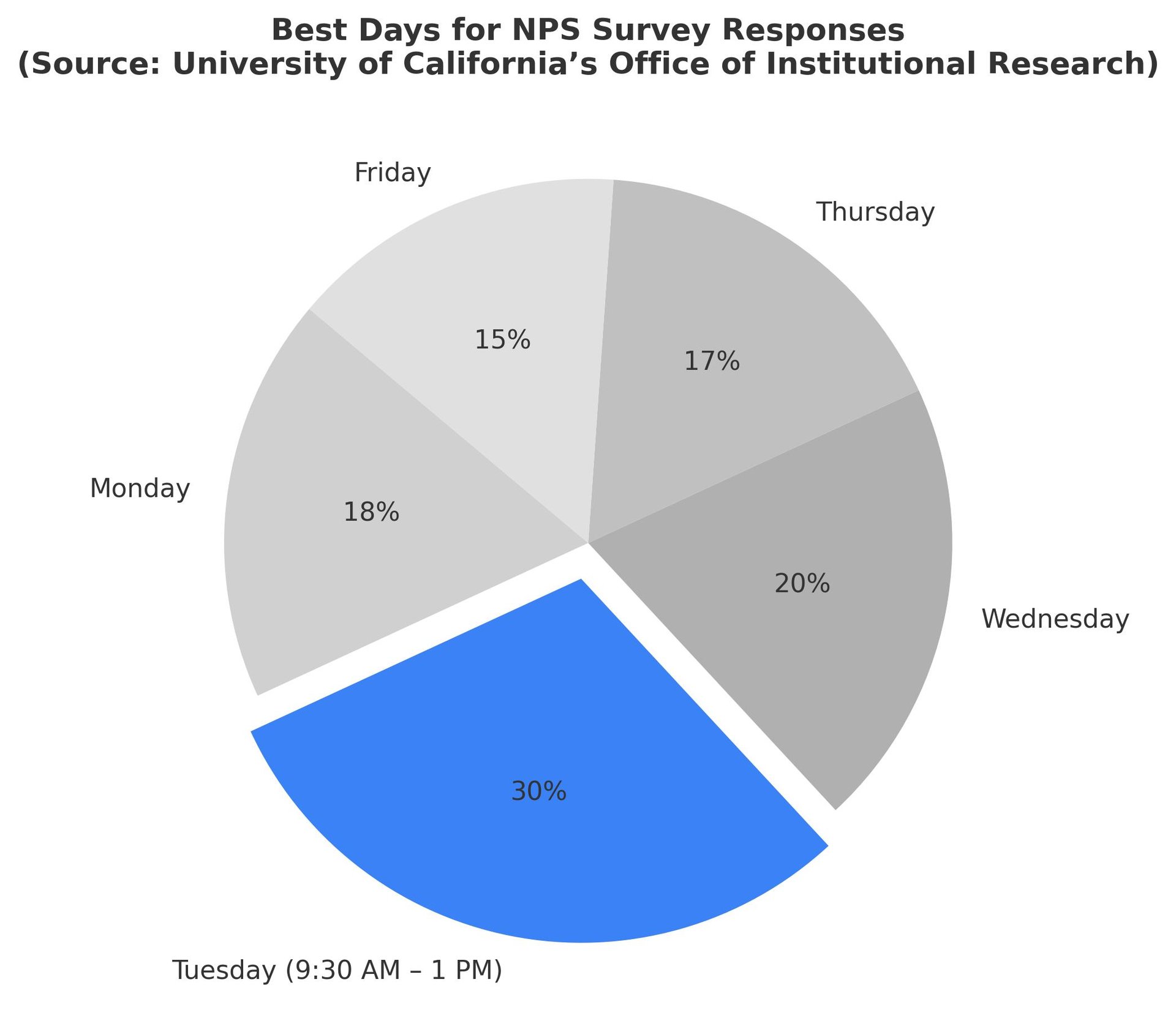
Why is it so? By mid-morning, people have cleared their urgent emails and are more open to providing feedback. They're not fighting Monday's inbox overload or already mentally checked out for the weekend. And sending surveys between 9-11 AM means your email lands at the top of the inbox when people are most engaged.
It’s advisable to survey your customers no more than once per quarter for your main relationship nps. Some companies stretch this to every six months or annually, especially if they have a smaller customer base or a longer customer lifecycle.
Also, a good rule of thumb is not to send a survey after every single support ticket. Rather, focus on significant events like major feature usage milestones, or completion of the onboarding flow you and your design team just revamped. You can also send surveys a few weeks after a customer makes a significant change to their account.
Now, if you’re using ProductLogz, the balance becomes easier to manage. This tool helps you collect and analyze customer feedback systematically.

Instead of bombarding customers with surveys, you can strategically plan your nps program, track customer sentiment over time, and identify the right survey moment based on actual product usage
Your product model matters when deciding when to send nps surveys. These are some important timing standards:
In B2B, relationships matter more than individual transactions. Your relational nps program should run quarterly or biannually, capturing overall loyalty trends. But you also want to send transactional nps after onboarding, following quarterly business reviews, or after resolving significant support issues.
B2B customers are often busier than B2C customers, so respecting their time is crucial. Send your nps timing strategically, and avoid end-of-quarter crunches when your customers are stressed about hitting their own targets.
SaaS businesses thrive on understanding the customer journey. You should measure the net promoter score at specific stages. It can be right after a user reaches their "aha moment" in onboarding, after they've used the product for a meaningful period (maybe 30 or 90 days), and following any major product update or feature release.
Also, trigger nps surveys based on product usage, not just time elapsed. A customer who actively uses your product daily for a month has a very different experience from someone who logs in once a week.
Customer service is a critical touchpoint for measuring loyalty. Send an nps survey shortly after a support ticket gets resolved, ideally within 24 hours. This captures customer satisfaction after a specific support interaction while the experience is fresh.
However, be selective. Not every support ticket warrants a survey. Focus on tickets that required multiple interactions, were escalated, or dealt with significant issues. This selectivity helps you avoid survey fatigue while still tracking how well your support team serves your customers.
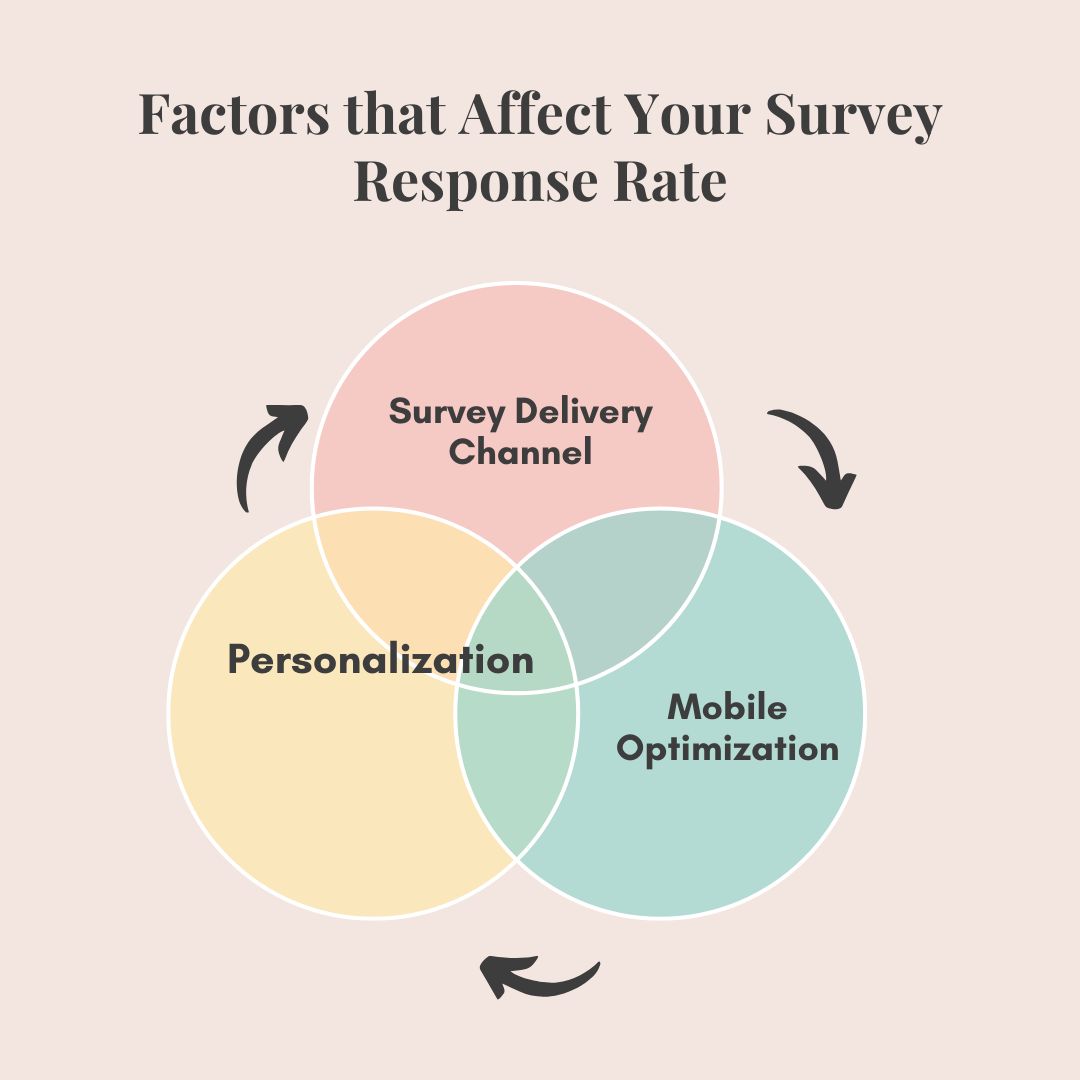
Beyond timing, several other factors determine whether customers will actually complete your net promoter score survey:
How you deliver your customer survey matters enormously. Email surveys typically get 10-30% response rates. But in-app surveys? They often exceed 40-50% because they catch customers right in the moment of using your product. SMS surveys also perform well, with response rates between 45-60%, but they can feel intrusive if overused. For most SaaS and B2B companies, a mix of in-app and email surveys provides the best balance.
A generic survey from "noreply@company.com" gets ignored. A personalized request from someone the customer has actually interacted with gets responses. Use real names, reference specific interactions, and acknowledge the customer's history with your brand.
More than 60% of survey responses now come from mobile devices. If your survey isn't mobile-friendly, you're losing half your potential responses right there. Keep it simple, use large buttons, and ensure it can be completed on a small screen without zooming or horizontal scrolling.
Survey fatigue is real, and it kills your response rate faster than anything else. When customers feel like you're constantly asking for feedback, they start ignoring all your surveys, even the important ones.
So, what do you do? First, coordinate across your organization. Your support team, product team, and marketing team all might want to send surveys. Make sure everyone knows when surveys are going out so you're not hitting the same customer with multiple requests in a short period.
Also, show customers that their feedback matters. Nothing kills response rates like feeling your input goes into a black hole. When you act on customer feedback, tell your customers about it. "Based on your feedback, we improved..." This closes the feedback loop and makes customers more willing to participate next time.
Then, keep your nps question simple and your overall customer survey short. Long and complex surveys are a best practice to avoid. The beauty of Net Promoter Score® is its simplicity; the core question of "How likely are you to recommend us?" can be answered in seconds.
While response rate is important, it's not the only metric that matters. You also want to track:
These metrics tell you whether you're running an effective nps program or just collecting data for data's sake. Remember, the ultimate goal isn't to achieve a perfect survey response rate.
Figuring out how often to send nps survey invitations comes down to balance. You want enough touchpoints to understand customer sentiment without creating survey fatigue. You need to survey customers when experiences are fresh while respecting their time. And you must use nps as part of a larger strategy to improve customer satisfaction and loyalty, not just as a metric to report.
Ready to build a smarter approach to measuring customer loyalty? ProductLogz helps you automate survey timing, track customer sentiment across the entire customer journey, and ensure you're always collecting actionable feedback at the right moments.
No sales calls. No long setup. Create your workspace and start collecting feedback today.
