

.png)
If you're part of a product team, you've probably heard people toss around the term "NPS" in meetings. Maybe you've nodded along, pretending you know exactly what everyone's talking about. Well, today's the day we change that. Let me walk you through everything you need to know about NPS surveys and why they matter to your product team.
NPS stands for Net Promoter Score, and it's essentially a way companies measure customer loyalty. It was created by Fred Reichheld, who wanted a better way to track customer satisfaction than the usual long surveys. Working with a company called Satmetrix, he tested different questions to see which one best predicted how customers actually behaved. Here, you’re expected to ask your customers one basic nps survey question:
"How likely are you to recommend our product/service to a friend or colleague?"
This standard nps question, also called the net promoter score question, is the foundation of every net promoter score survey. Then, they'll respond on a scale of 0 to 10, where 0 means "not at all likely" and 10 means "extremely likely."
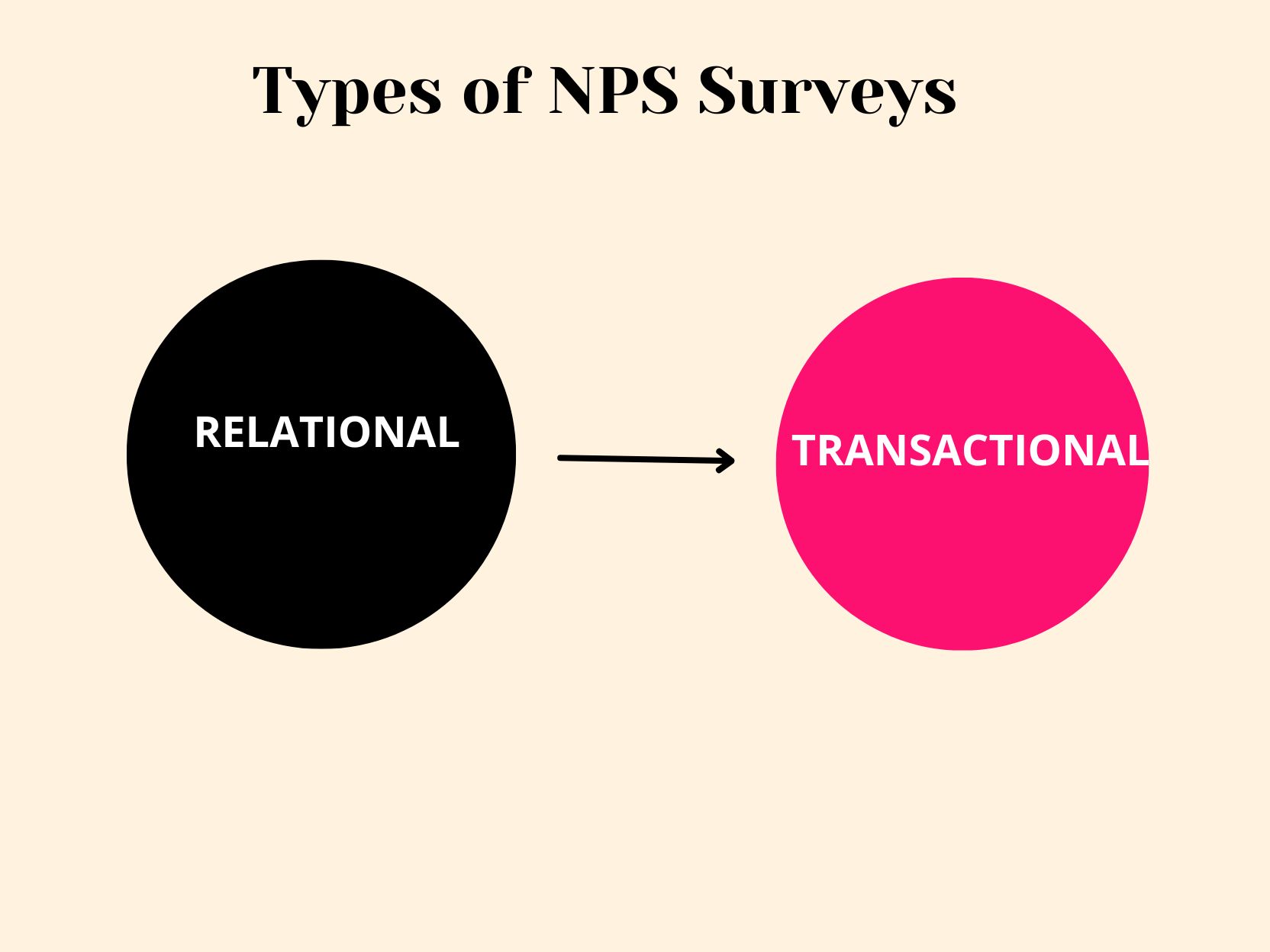
It’s important for the whole product team to understand that there are two main types of NPS surveys, and each provides a different kind of insight into the customer experience.
This traditional nps survey measures how customers feel about your brand or product. It is a pulse check on long-term satisfaction and loyalty across your entire customer base. Companies usually send relational NPS surveys every quarter or twice a year to see if customer sentiment is improving or declining. These results help the product team identify broad trends and align the user experience with business goals. Some companies even use this approach as a great place to work metric for employee satisfaction.
On the other hand, transactional surveys are triggered by specific customer actions or touchpoint interactions. This type focuses on the moment-to-moment experience at each touchpoint along the customer journey. For example, a sudden drop in NPS after a feature rollout will highlight friction in the user flow that design or engineering can address quickly.
Once you collect those responses, you'll categorize your customers into three groups:
These are your superfans and loyal customers. They love your product or service, and they're the ones who'll recommend your company without being asked.
In this category, we have customers who are satisfied but not thrilled. They won't badmouth you, but they're not exactly writing love letters either. One better offer from a competitor, and they might bounce.
These individuals will actively discourage others from using your product, and they're probably already looking at alternatives.
Actually, understanding the difference between detractors and passives is important because while passives won't hurt you, they won't actively help grow your customer base through referrals.
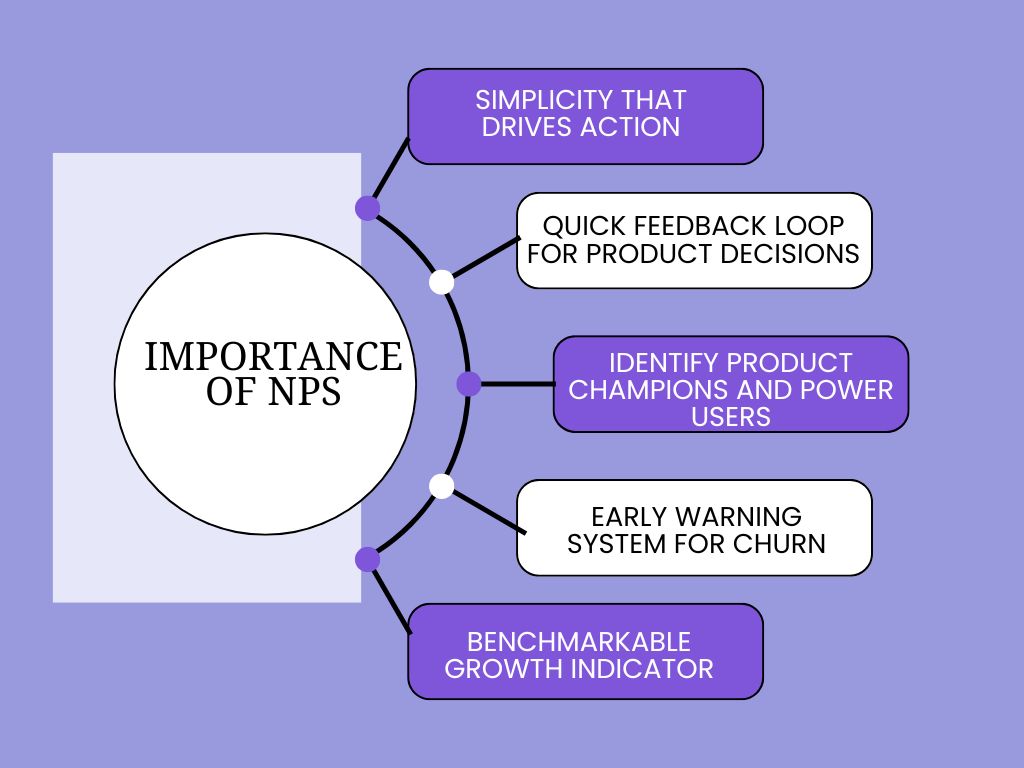
Let me break down five concrete benefits an nps survey can offer that directly affect your day-to-day work.
As a product team, you're drowning in data, and you need NPS to cut through the noise. Everyone on your team can understand what a 45 NPS means. There's no need for a data science degree to interpret it. This simplicity means you can act faster. When your NPS drops from 50 to 35, you don't need three meetings to understand there's a problem.
Unlike annual satisfaction surveys that take months to plan and analyze, NPS gives you actionable feedback. For instance, if you shipped a major feature last month, you can send NPS surveys to users who've tried it. You'll know within days whether it's resonating or falling flat based on each survey response you receive from every respondent.
This speed matters because it means you can course-correct quickly. If that new onboarding flow you spent three sprints building is turning users into detractors, you'll want to know.
Your promoters aren't just happy customers, they're your product's secret weapon. These are the people who will:
When you segment your NPS responses, you can tag these promoters in your CRM and treat them like the VIPs they are. They're free product advisors who are already invested in your success.
By the time a customer churns, you've usually lost your chance to fix the problem. NPS gives you an advanced warning. When someone rates you a 5, they're basically saying, "I'm shopping around for alternatives." That's your signal to intervene.
Compared to most product metrics, NPS is standardized across industries. This means you can benchmark yourself against competitors and industry standards. More importantly, tracking your NPS over time gives you a clear indicator of product-market fit.
This is where some product teams get confused. It's actually simpler than you think. Here’s how it is done:
Count up all your responses and sort them into the three categories (Promoters, Passives, Detractors).
Calculate the percentage of each group.
Your percentages are:
Use this simple formula:
NPS Score = % of Promoters - % of Detractors
So in our example: 60% - 15% = 45
Your NPS score would be 45.
However, passives don't factor into the calculation at all. They're counted in your total responses but don't affect the final score.

Now let's talk about actually running these surveys without annoying your customers or getting terrible response rates.
You can't just blast NPS surveys randomly and expect good NPS results. You need to think strategically about when to survey your customers. If someone just contacted customer support, wait a day or two and then send an NPS survey. You'll get feedback while the experience is still fresh. Meanwhile, for ongoing relationships, quarterly surveys help you track trends over time without overwhelming people.
Nobody wants to spend 10 minutes on your survey. So, stick to 2-3 questions maximum. Your core NPS question plus one or two targeted follow-ups. That's it. The survey is a simple tool that should feel effortless to complete. If you need more information, you should use conversational forms that present one question at a time. It feels less overwhelming than seeing a long list of questions upfront.
Where should you actually send these surveys? The answer depends on your product and your customers. Email works well for most products, especially B2B. Just make sure your subject line is clear and not spammy. On the other hand, in-app surveys can catch people right after they've used a feature or completed a task. The context is perfect, but be careful not to interrupt their workflow, because how you position the survey matters. Also, SMS or messaging apps might work if your audience is mobile-first and you've already been communicating with them this way.
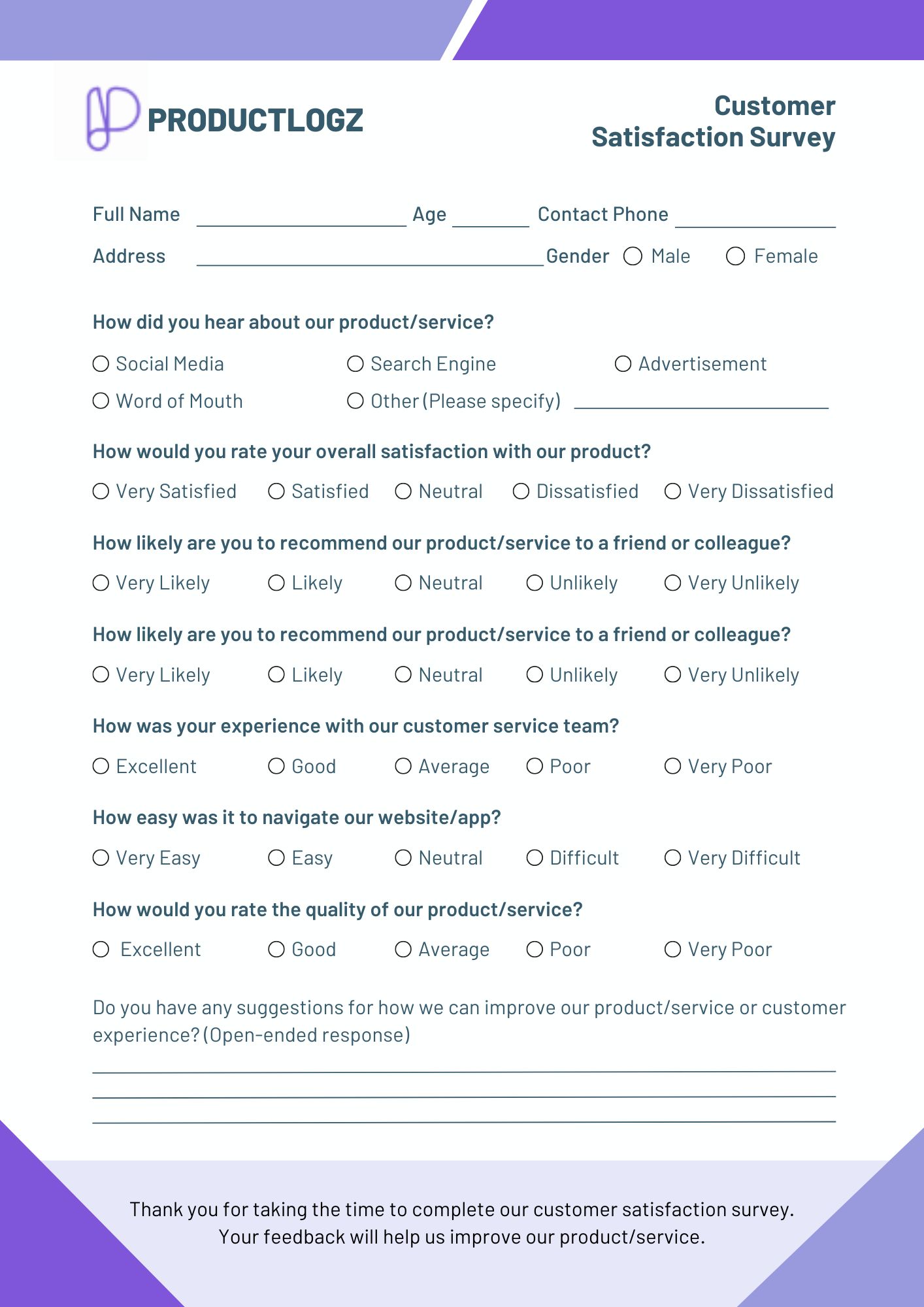
Let me share 5 nps survey question examples that'll give your product team real insights. These are questions based on industry best practices, combined with your standard nps question to create an effective nps survey template:
This is your bread-and-butter follow-up question. Keep it open-ended. You want customers to tell you in their own words what's driving their rating. This qualitative feedback is where the real gold lies. You'll be amazed at what you discover.
This one's a goldmine for product prioritization. You can make it an open-ended question or provide a list of features for them to choose from. It helps you avoid a common product team mistake: assuming you know which features matter most.
This question is valuable when discussing with passives and detractors. It's direct, it shows you care, and it often reveals blind spots through customer feedback. When users consistently mention the same pain point, it becomes much easier to justify prioritizing that fix over new features.
With this question, you can understand where you stand in the market and what your differentiators really are. Your users will tell you exactly why they chose you over competitors, or why they're considering switching.
Usage frequency tells you a lot about customer satisfaction and engagement. If someone rates you a 6 but only uses your product once a month, that's different from someone who rates you a 6 but uses it daily. Low scores plus high usage often mean people are stuck with you, but are your unhappy customers who haven't left yet.
Honestly, NPS surveys aren't as scary as they seem. Once you understand how they work, you're good to go. So go ahead and create your first survey. But keep it simple, ask good follow-up questions, and don't overthink it. If you need help managing all that feedback, you can sign up on ProductLogz. It's a tool used to collect and organize feature requests, conduct user research with in-app surveys, and keep them updated on what you're building.
No sales calls. No long setup. Create your workspace and start collecting feedback today.
