

.png)
Have you ever spent months building something amazing, only to hear crickets when you finally launch? Actually, launching a new product without proper promotion is like throwing a party and forgetting to send out invitations. According to Harvard Business School, out of 30,000 new products that are introduced into the market yearly, over 80% of those product launches fail. That's why this guide is going to talk about the proven product launch promotion ideas that work. Whether you're a product startup or an established brand, these strategies will help you promote a new product like the pros do.
A successful launch doesn't happen by accident. It happens because you build anticipation, create a sense of urgency, and get people genuinely excited about your upcoming product before the launch date even arrives. Here are some product launch ideas with examples you should try out:
Building a waitlist is one of the smartest ways to build excitement and anticipation for your upcoming launch. It creates a community of people who are already invested in your success before your launch day. These people become your first customers, your first reviewers, and your first advocates who'll share their experiences on social media.
And it works like magic for product launch events. Think about it, when was the last time you signed up for early access to something? That little rush of excitement you felt? That's exactly what you want your new customers to experience. Plus, you get to build a sense of exclusivity. Everyone loves being part of something special, right?
Before Notion became the productivity powerhouse it is today, they started with a simple waitlist. They didn't have millions in marketing efforts, but had a compelling promise and a signup form.
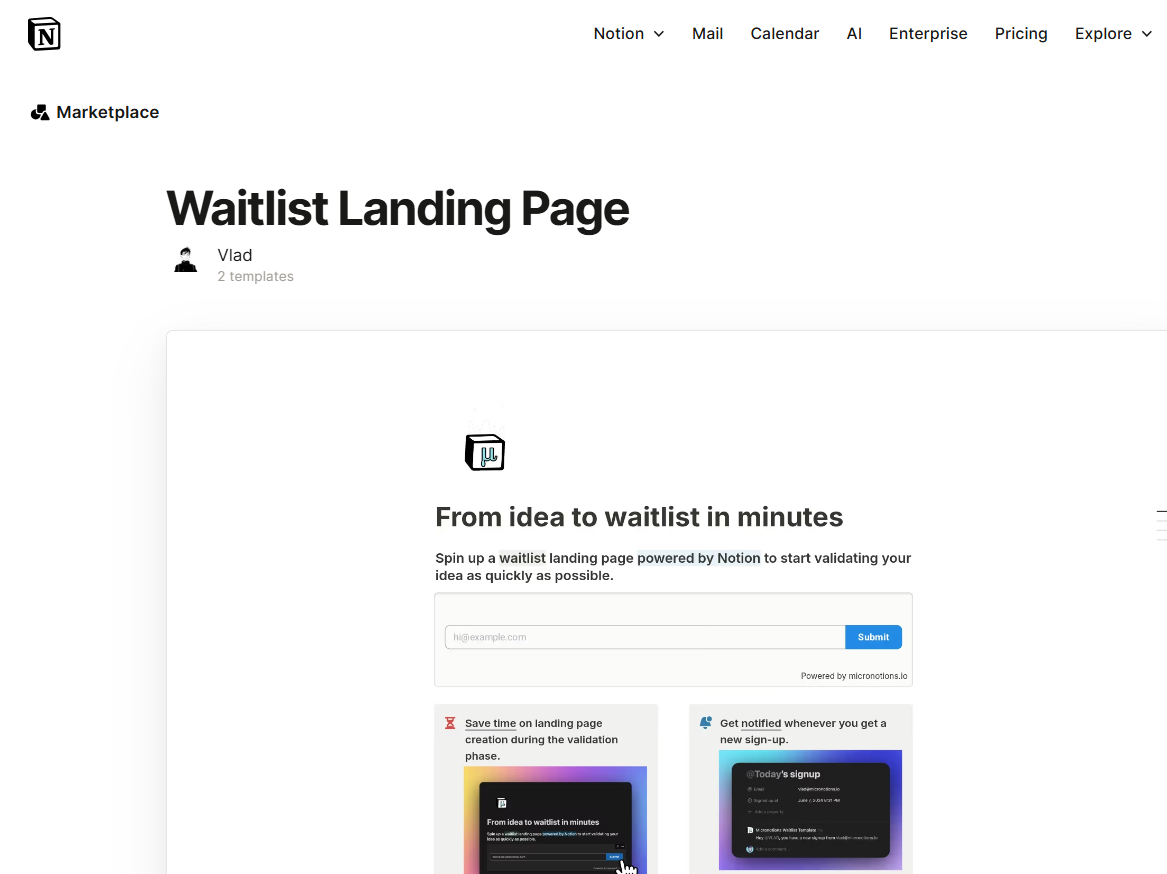
People joined the waitlist because they were tired of clunky project management tools. Notion promised something better, and they delivered on that promise by slowly rolling out invites. This made every single user feel like they were part of an exclusive club.
The result was that when Notion finally opened to the public, they already had thousands of passionate users who couldn't stop talking about their creative product launch. Those early adopters became their biggest marketers, sharing screenshots and workflows across social media platforms.
Want to generate buzz that feels organic? Challenge your community. User challenges are brilliant because they turn passive scrolling into active participation. When you challenge people to do something with your product, you're not just promoting, you're creating an experience. Also, challenges naturally encourage user-generated content, which means your target audience becomes your marketing team. They create social media content, use your hashtags, and won't stop talking about your product on social media without you having to beg them.
Nike has mastered the art of community challenges, especially with their Nike Run Club. When they introduce a new product like a new running shoe, they don't just post product photos and call it a day.

Instead, they create running challenges that naturally showcase the product. You'll see stuff like "Run 100 miles this month" or "Complete 5 runs this week" on the internet. These are social media trends that align with what their audience already wants to do.
Then, participants will share their progress, routes, and the time their run was completed. You know what that does for Nike? They get thousands of pieces of authentic content that resonate with their audience more than any polished ad campaign.
Recently, the product market has been crowded, and people's attention spans are shorter than ever. So how do you cut through the noise? You lead with genuine innovation and show people what makes your new product different or more exciting than everything else out there.
Now, I'm not saying you need to reinvent the wheel. But if you've got a truly innovative feature, then it needs to be at the front and center in your launch strategy.
When Duolingo launched Duolingo Max with AI-powered features, they didn't just drop a press release and hope for the best. They showed exactly what the AI could do and why it mattered.
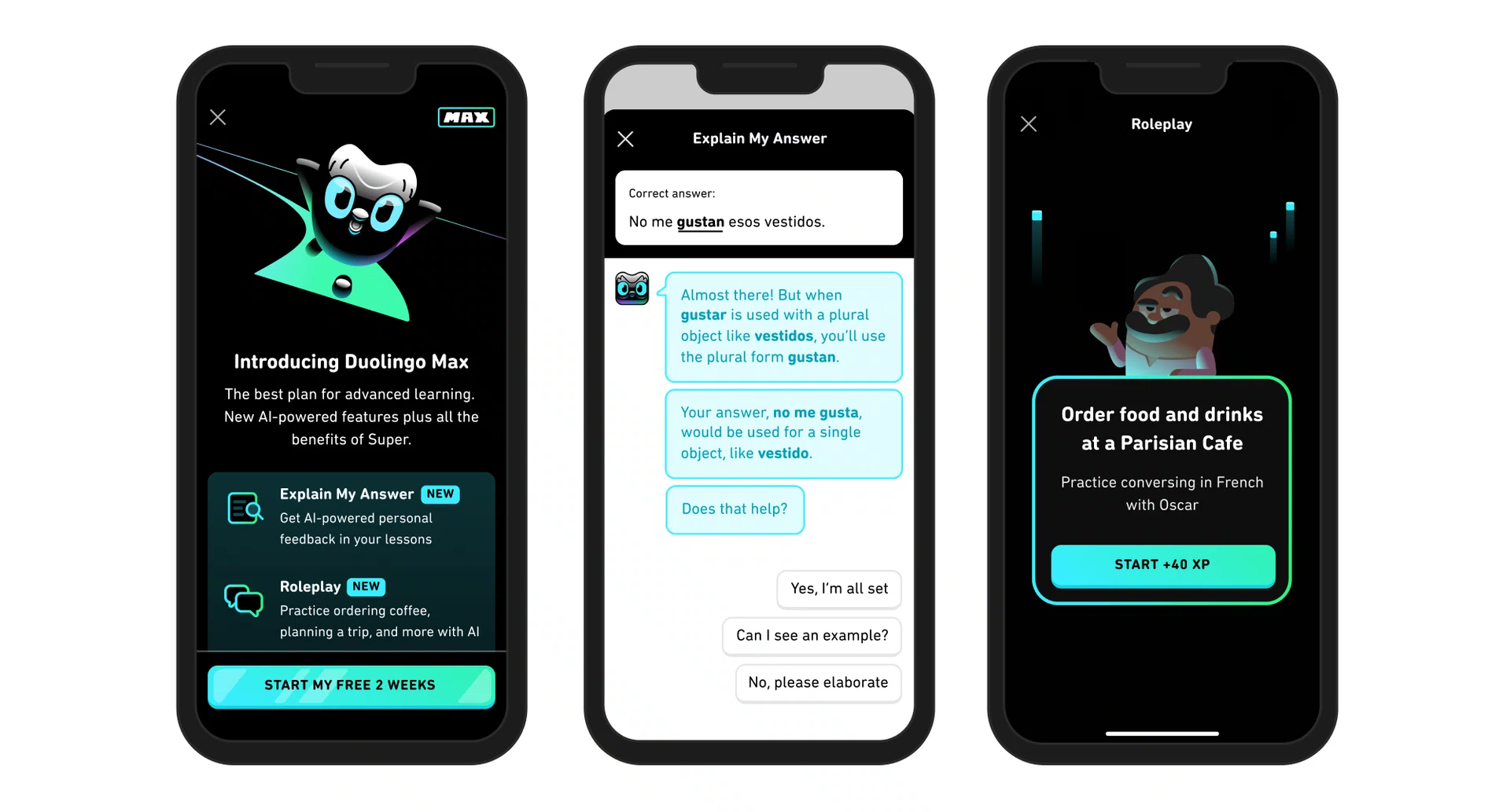
Their teaser campaigns showed actual users having "aha!" moments with these new features. They created social media posts demonstrating the technology in action. Also, they ran email marketing campaigns that walked existing users through what to expect.
The product release was a massive success because people understood not just what was new, but why they needed it. That's how you carry out a well-planned launch in 2025.
Most product launch events are boring. Someone stands on stage, clicks through PowerPoint slides, lists features, and everyone politely claps before checking their phones.
But the brands that create memorable launch experiences understand that a launch event isn't just about announcing a product. Rather, it’s more of creating a moment people will remember and talk about long after it's over.
Interestingly, a great launch party or event doesn't need a massive budget. It needs creativity, energy, and an understanding of what makes your brand experience special. Whether you host in-person events, virtual events, or a hybrid, the goal is allowing attendees to experience the product for themselves.
Say what you want about Elon Musk, but the man knows how to put on a show. Tesla product launch events aren't just product announcements, but pure entertainment. Every moment is Instagram-worthy, X-worthy, and even YouTube-worthy.
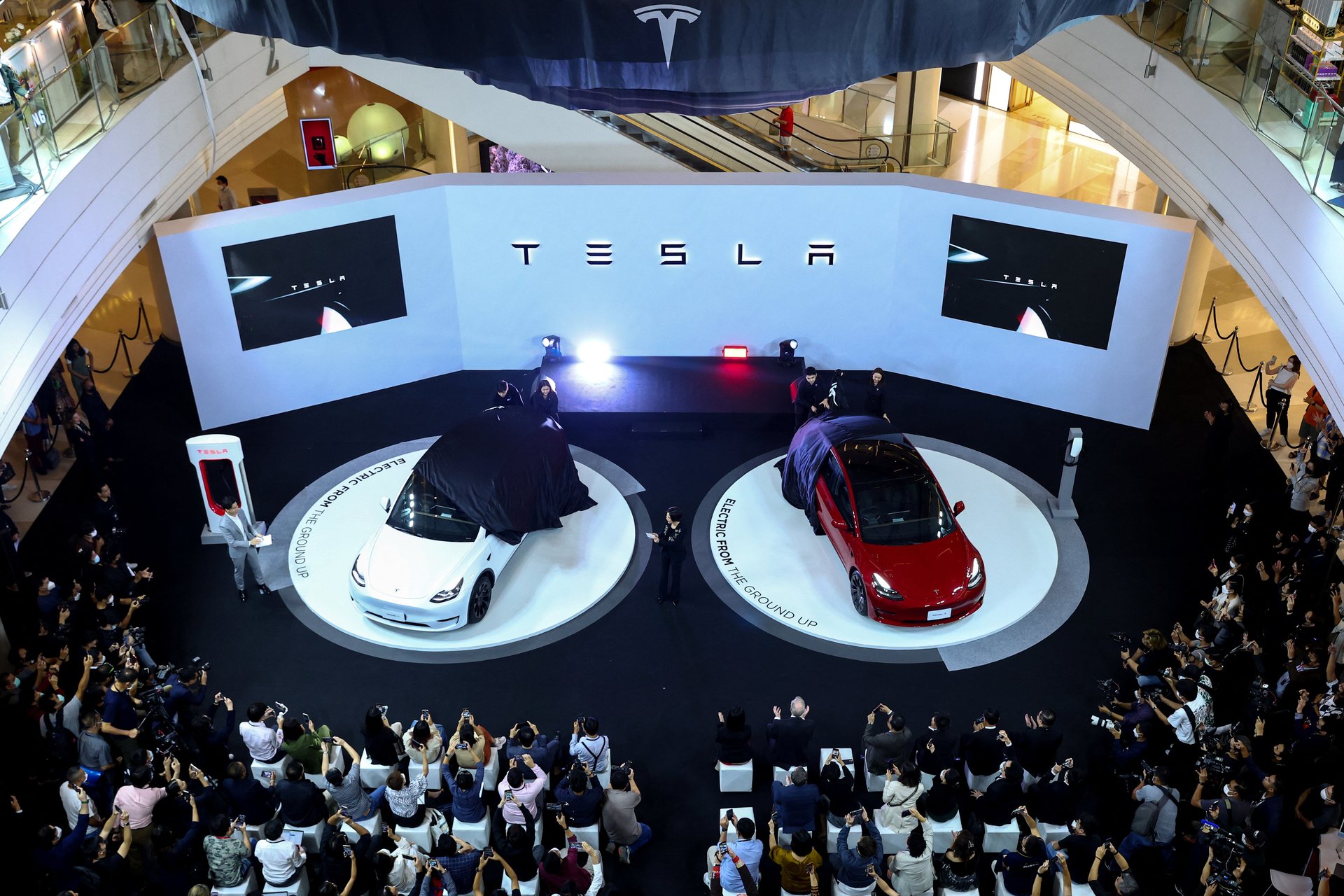
People live-tweet, post clips, and debate for days afterward. Where does this place Tesla? Well, they’ll generate massive buzz without spending millions on marketing channels. Their exclusive events become news themselves, creating social proof that their products are worth paying attention to.
Influencer marketing is such a powerful tool to launch your product. But it has to be done right. The best influencer partnerships don't feel like ads. They feel like genuine recommendations. And that only happens when you give influencers real access to your product before the days leading up to the launch. With this, they can form their honest opinions.
Studies show that almost 49% of consumers rely on influencer recommendations when making purchase decisions. In fact, the influencer industry is set to hit $24 billion in 2025.
Why? Because it works. Influencers have two things most new brands don't. That’s credibility and reach. When you partner with the right ones, you're tapping into communities of potential customers who will refine your brand identity.
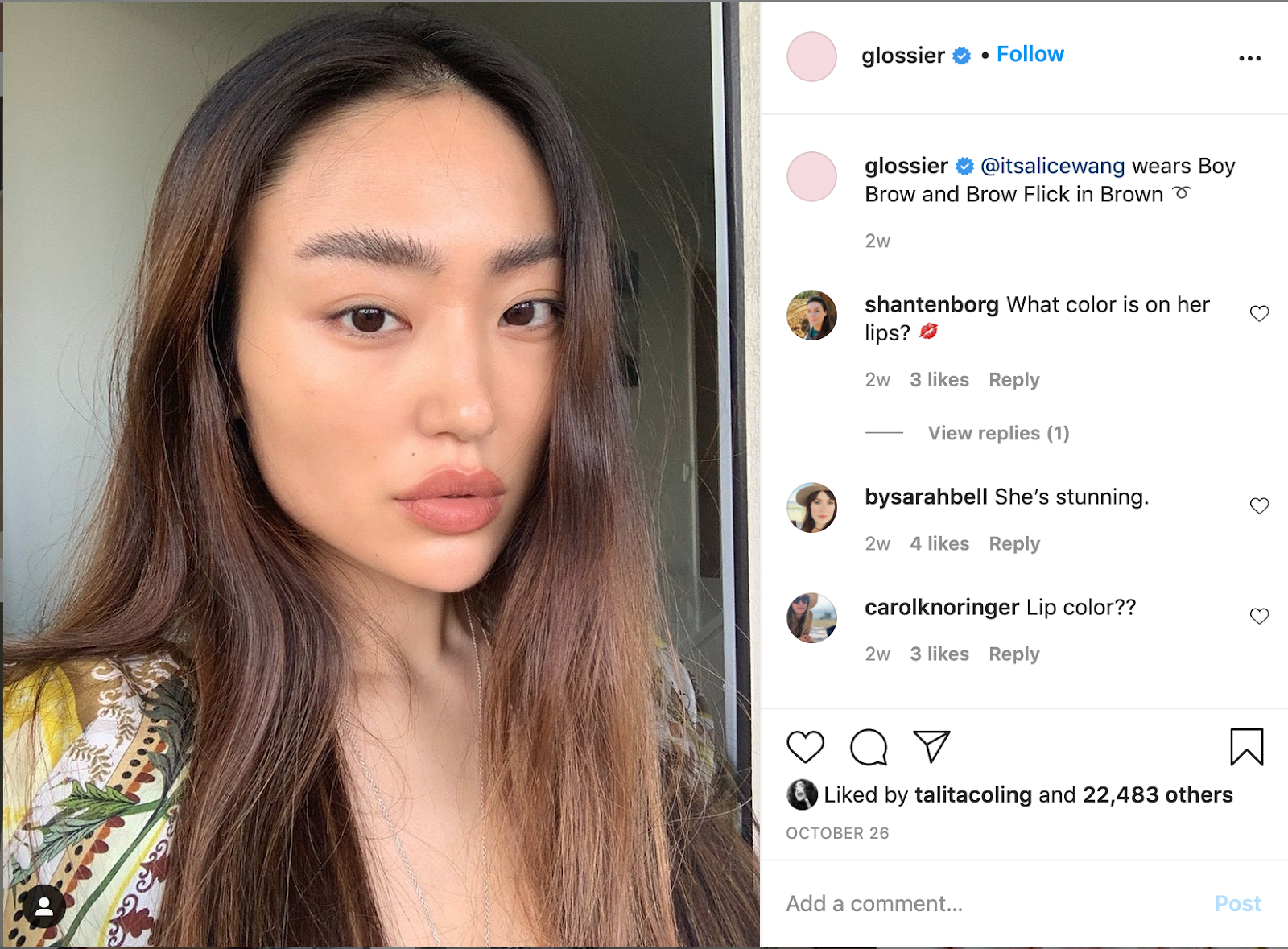
Glossier built a beauty empire partly on the back of smart influencer beta testing. Before they launch any new product, they send it to micro-influencers and beauty enthusiasts who genuinely love the brand. By the time Glossier announces the official launch, there's already excitement built up.
A strong beta feedback loop helps you refine your product features before the big launch and creates a group of passionate users who feel ownership over your success. This approach works whether you're selling digital products or running an online business. Give people a voice in your product development process, and they'll reward you with loyalty.
Before Slack became the project management and communication giant it is today, they ran one of the most thoughtful beta programs in tech history. They didn't just collect bug reports, but had regular Q&A sessions with beta users.
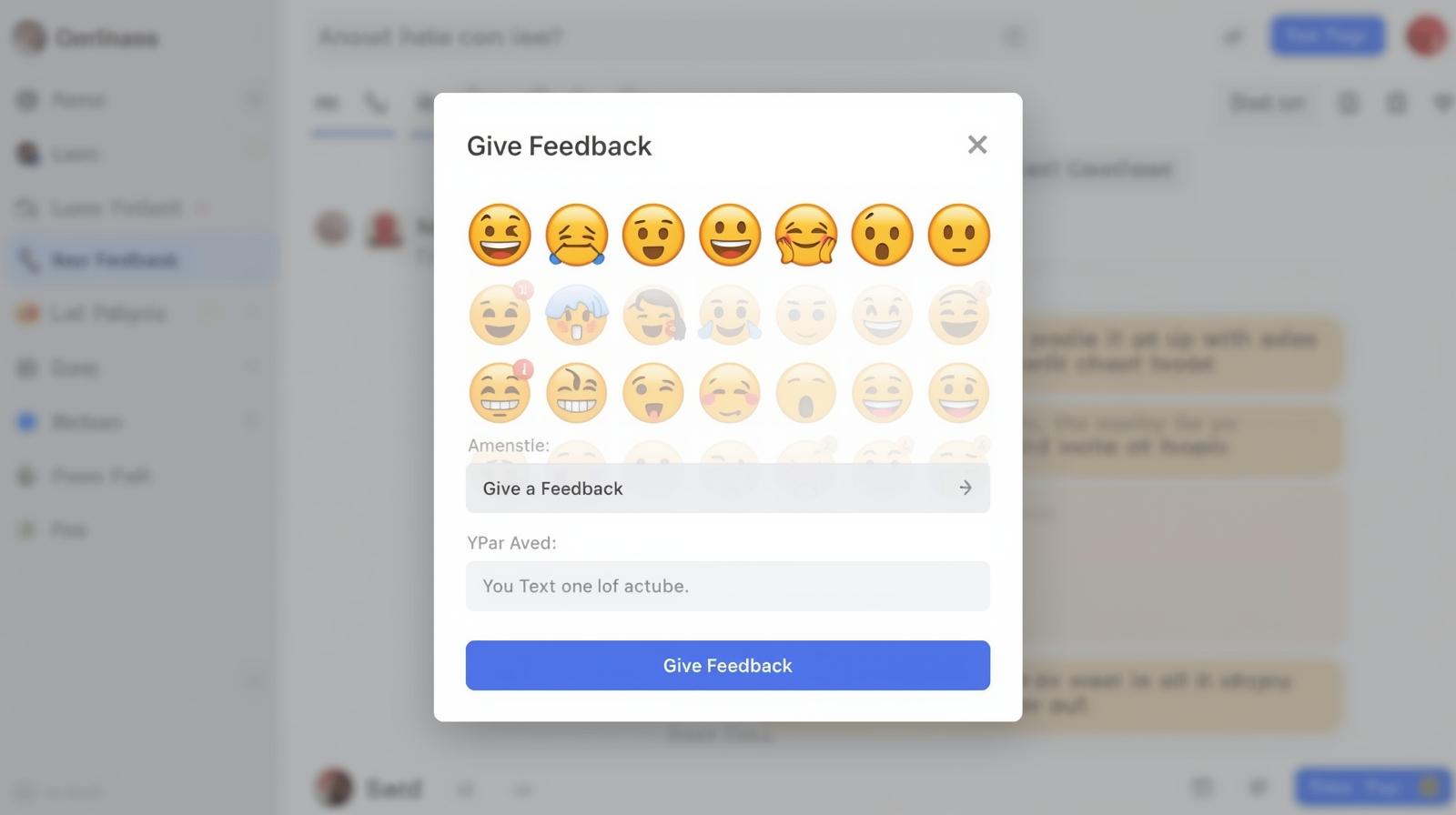
When Slack was ready for their next launch, those beta users became unpaid evangelists. They wrote case studies, published blog posts about how Slack transformed their teams, and recommended it in every tech forum and on every social media platform they were on.
Community co-creation is one of the most powerful ways to guarantee a successful product launch. In this type of approach, because you're not guessing what people want, they're literally telling you. Hence, it creates a sense of ownership that money can't buy. Also, you get built-in validation. If thousands of people vote for an idea, you know there's demand before you invest resources.
LEGO Ideas is community co-creation at its finest. Fans submit product ideas, and other fans vote. If an idea gets 10,000 votes, LEGO reviews it for potential production. When LEGO decides to produce a community-created set, they credit the original creator by name.

That person becomes a mini-celebrity in the LEGO community. They share their story everywhere. Other fans share it because they voted for it or watched it evolve. By the time the set reaches the official launch, there's already massive anticipation.
Running contests or giveaways during your pre-launch phase is brilliant because it does multiple things at once. It gets people talking about your product before it's even available. It builds your email list with potential customers who are already interested. That’s why you need to make your contest engaging with interactive features, not just "like and share" but something that requires creativity or effort.
Gymshark has turned contests and giveaways into an art form, especially when it's a new product launch. Before they unveil a new collection, they'll run massive giveaways on Instagram and TikTok, asking followers to share their fitness journeys, workout videos, or transformation stories.
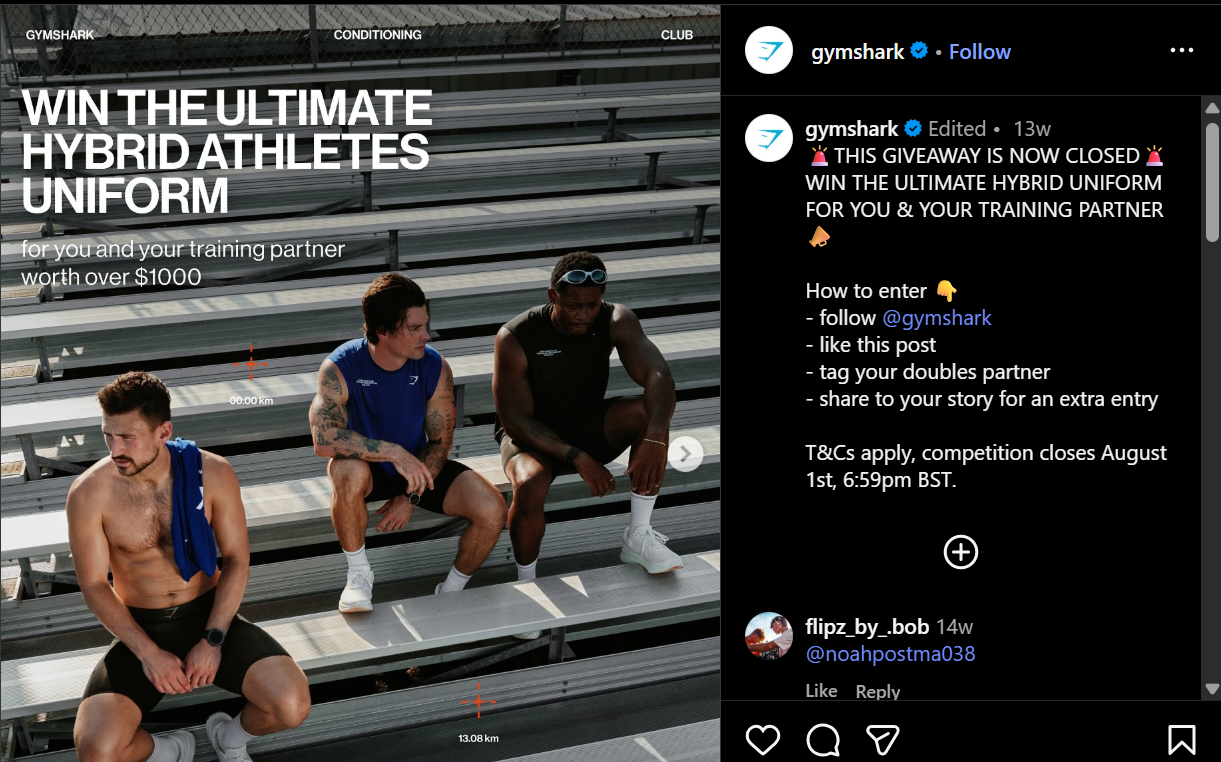
These aren't just random giveaways; they follow best practices that maximize engagement. In fact, entries require users to follow the account, tag friends who inspire them, and use a specific hashtag
It's important to reward loyal early adopters who believed in you before you were successful. These are the people who signed up when your website was clunky and gave feedback when you were still figuring things out. Actually, Loyalty rewards don't have to be expensive. It can be early access to exclusive discounts, or even special badges.
Spotify does this beautifully. They give "early supporter" badges to users who discovered artists before they blew up, and offer exclusive pre-sale access to concert tickets.

You'll find that they create personalized playlists celebrating users' unique listening history. When Spotify launches new features or shows, their most engaged users get first access. By making these users feel valued, Spotify turns them into walking advertisements.
The best teaser campaigns don't give everything away. Rather, they create a sense of urgency through limited information. With this, people's imaginations fill in the gaps, and that anticipation becomes its own form of marketing. The key is timing your reveals strategically, building excitement and anticipation at each stage until the official launch feels like a culmination rather than just an announcement.
Nobody does mysterious anticipation quite like Apple. Their launch events and email campaigns are masterclasses in controlled reveals. They start with one feature, then another, each building on the last.
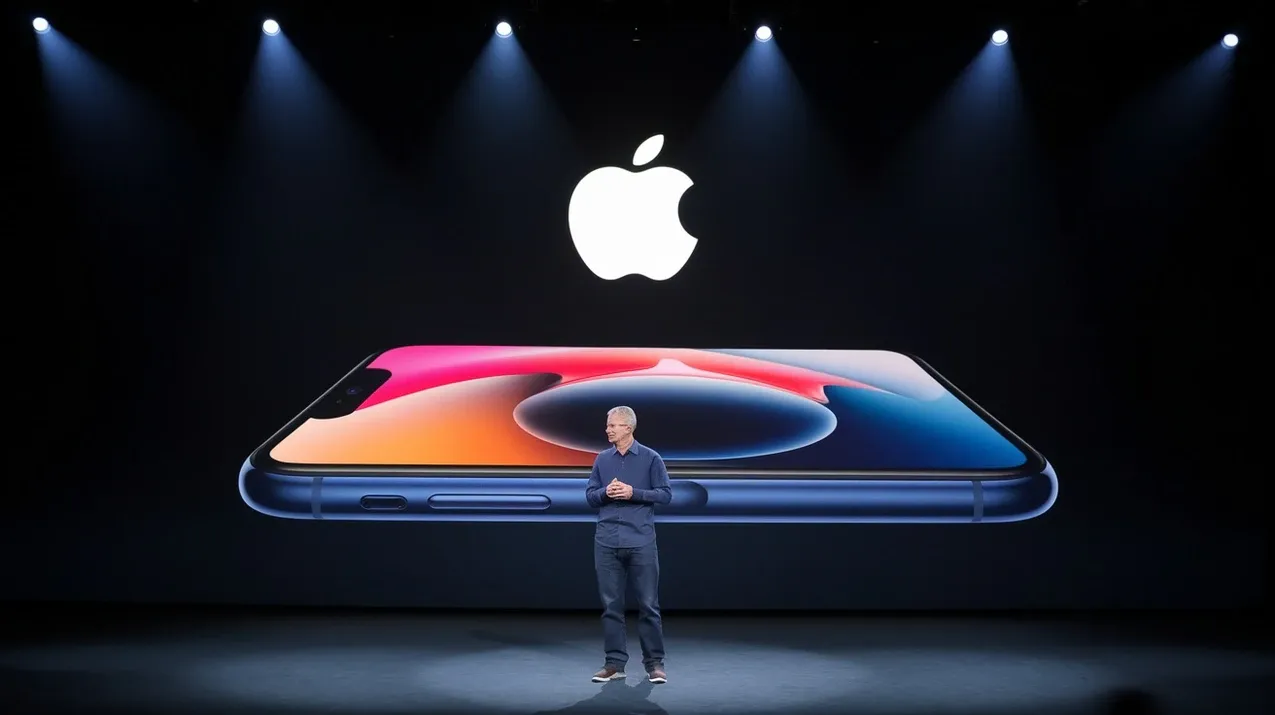
The product demonstrations show not just what the device does, but how it fits into your life. By the time they announce pricing and the launch date, people are already convinced they need it.
Now, you know that the brands that nail their successful product launch strategies aren't just lucky, but very intentional. How can you be intentional when you’re aware of the tools that can make the burden of launching lesser? One of them is Productlogz. It allows brands to collect feature requests and votes right where users already are. Just one-click feedback that helps you understand what your target audience actually wants. Want to see how this works in action? Sign up for a demo and discover how turning user feedback into your marketing strategy can transform your next product launch.
No sales calls. No long setup. Create your workspace and start collecting feedback today.
