

For many years, Qualtrics has proven itself as a powerful survey platform. But as needs evolve, many teams are currently exploring other alternatives that better match their workflow and goals. This guide breaks down the 12 best Qualtrics competitors worth your attention in 2026.
Every product decision starts with a simple question: what do users actually think? And to answer that question accurately, conducting proper surveys remains essential.
In fact, studies show average survey response rates usually range between 20% and 30%, depending on the channel and audience. So, collecting feedback is not the challenge, but turning it into useful insight is. That’s why Qualtrics was created.
Qualtrics is a well-known experience management platform. It covers Customer XM, Employee XM, Brand XM, and more. But it is primarily built for large enterprises with dedicated implementation teams. Hence, a lot of people are starting to look for alternatives. Aside from what I just stated, here are other reasons:
You should know that not every tool on this list does the same thing. While some are built for enterprise CX programs, others are survey builders. Luckily, we have included a mix so you can find the right fit for your specific use case:
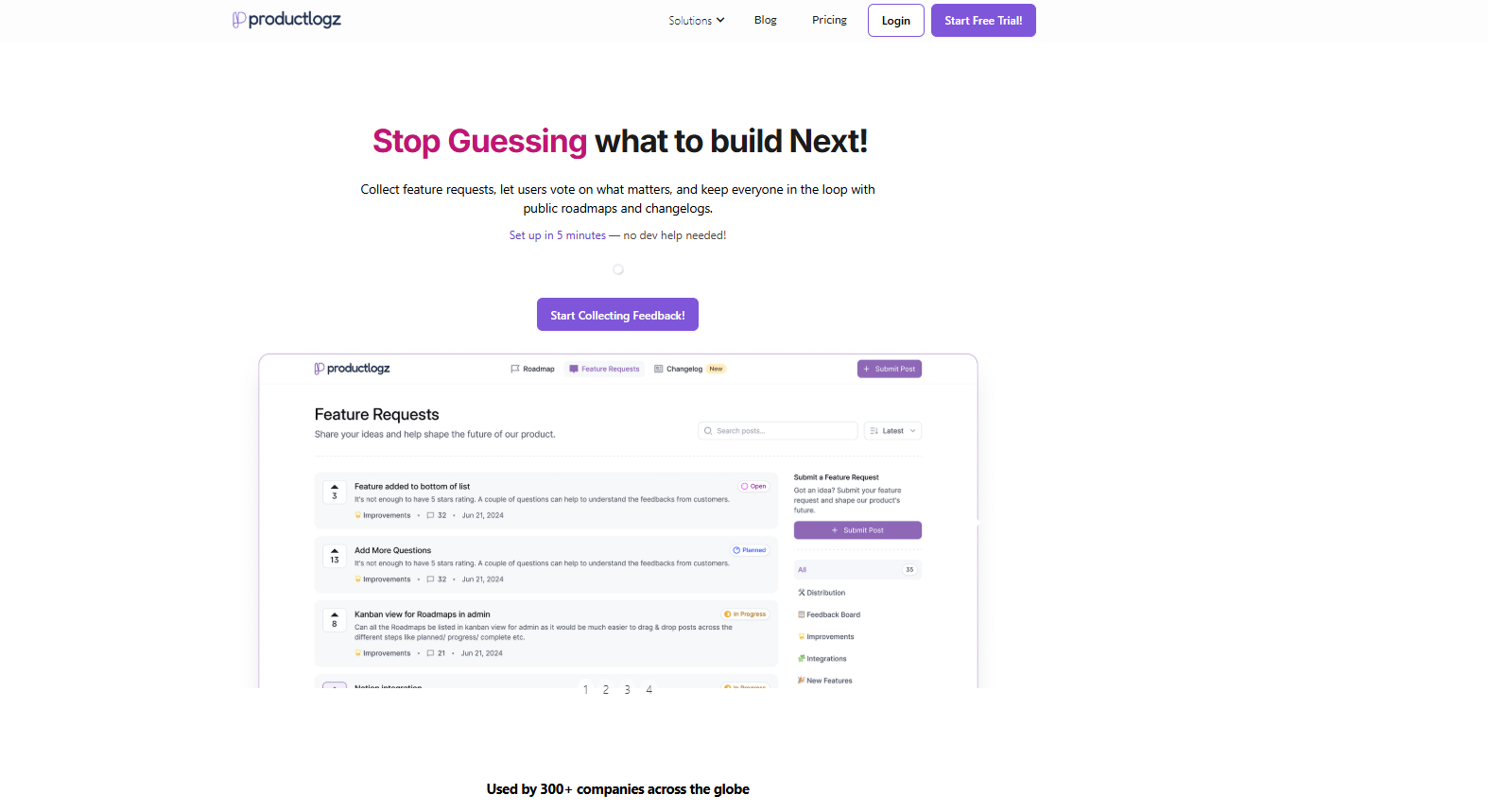
Productlogz is a modern product feedback and customer experience platform built for SaaS teams and product-led companies. It bridges the gap between collecting user feedback and actually doing something with it. Unlike many survey platforms, Productlogz connects feedback directly to product roadmap decisions. This makes it easy for teams to close the feedback loop.
Also, it is easy to set up, intuitive to use, and comes with a dashboard that non-technical users can own without any training. If you are a growing SaaS company tired of juggling spreadsheets and survey data, this is where you start.
Key Features:
Pros:
Cons:
Pricing: Productlogz offers a free plan to get started. Paid plans begin at $17/month
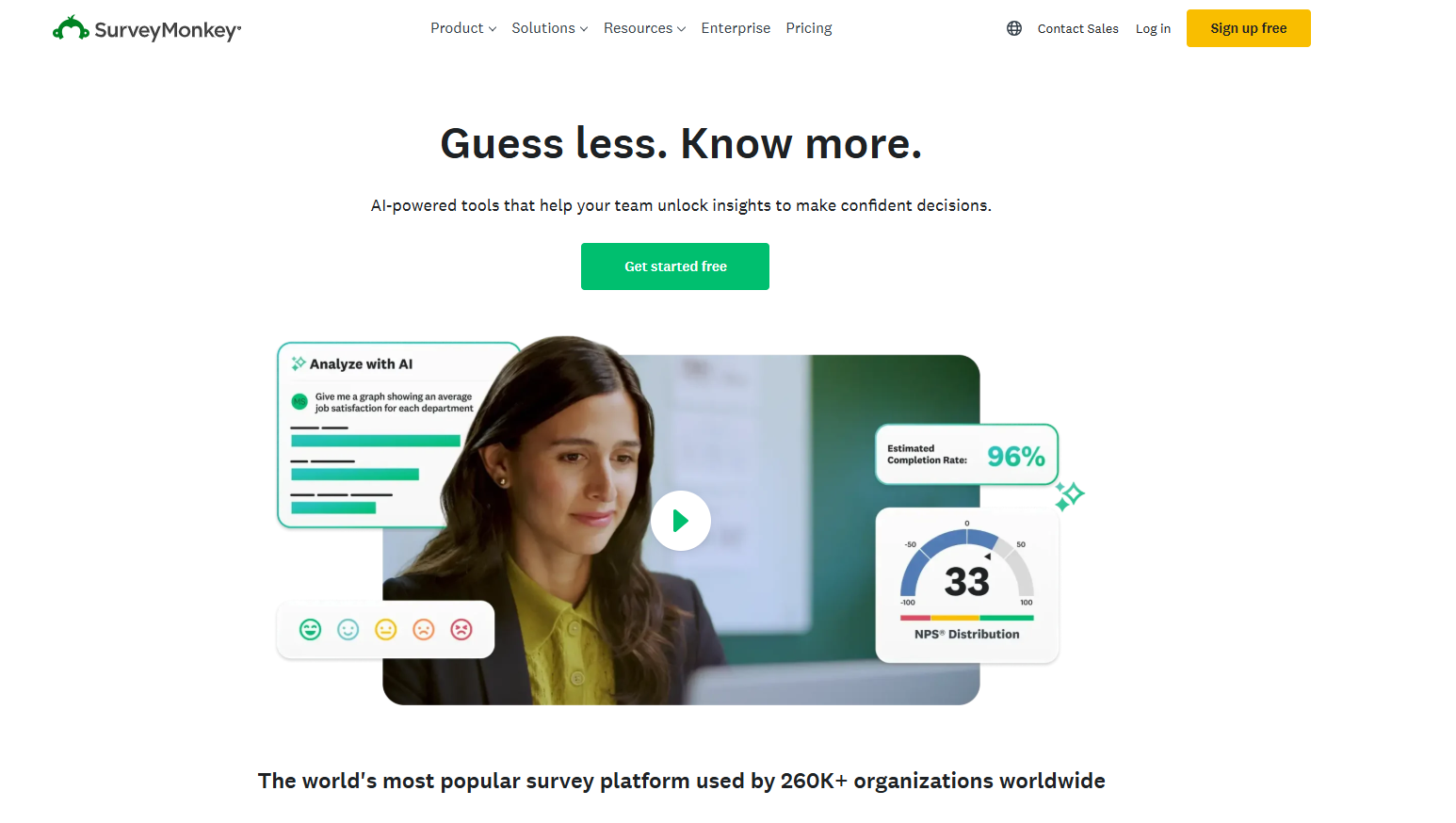
SurveyMonkey is one of the most recognised survey platforms in the world. It is used by teams across industries to create surveys, collect responses, and analyse the data. With over 335,000 organisations using SurveyMonkey globally, it is a trusted name in survey data collection, and one of Qualtrics strongest competitors
Key Features:
Pros:
Cons:
Pricing: Paid plans start at $25/month per user.

Medallia is a heavyweight in the customer and employee experience management space. It goes beyond surveys to pull in social media reviews, contact centre conversations, and in-app feedback into one unified view. It is popular with large organisations that need a 360-degree picture of customer sentiment across every touchpoint.
Key Features:
Pros:
Cons:
Pricing: Quote-based. Enterprise contracts often run into tens of thousands of dollars annually.
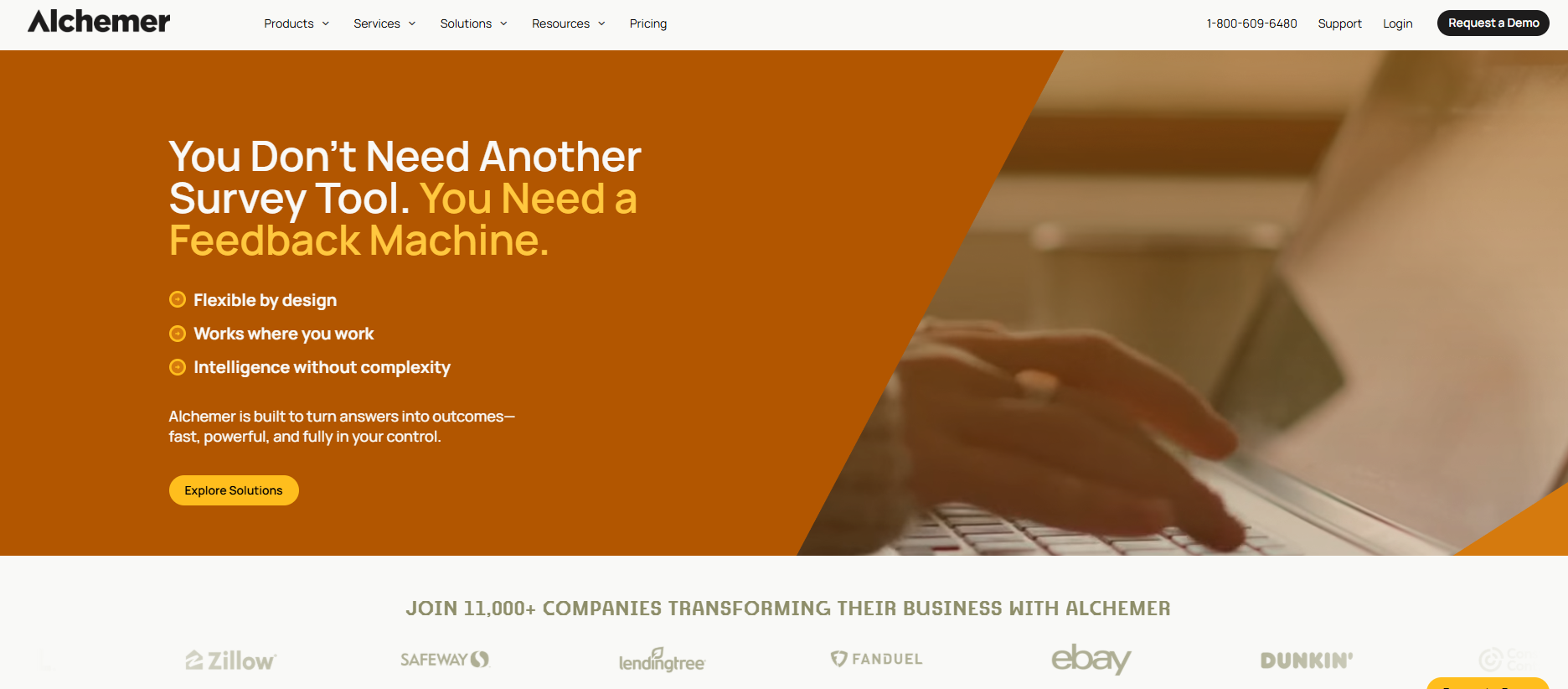
Alchemer (formerly SurveyGizmo) is a survey and data collection platform aimed at teams that need more than basic forms. It offers a wide range of question types, deep logic and branching, and real-time feedback tools. Also, it is a strong survey tool for teams that want full control over how their surveys look and behave.
Key Features:
Pros:
Cons:
Pricing: Plans start at $55/month billed annually.
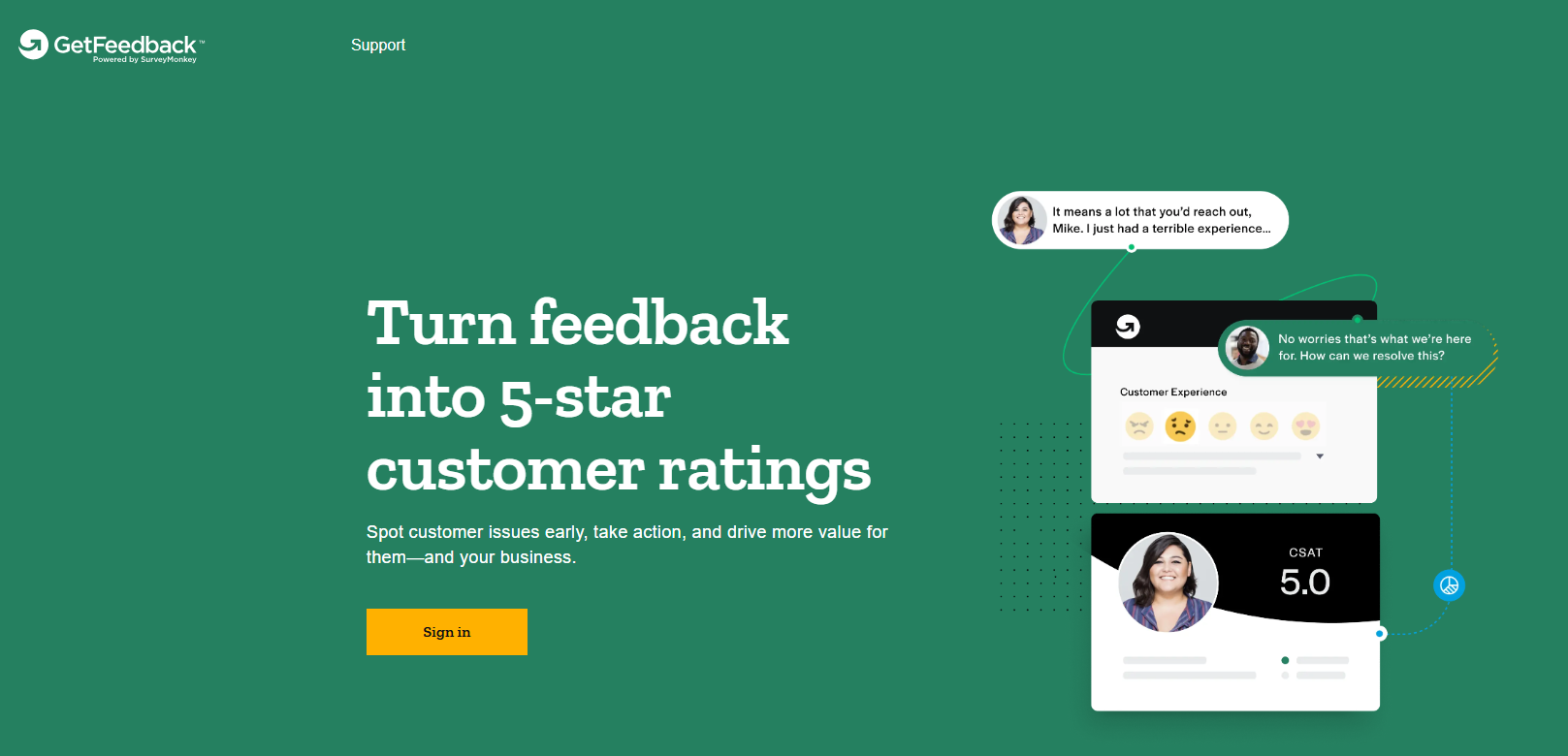
GetFeedback is a customer feedback platform built with Salesforce users in mind. It makes it easy to collect CSAT, NPS, and CES scores and sync them directly into Salesforce for follow-up workflows. It is a modern tool that has historically been popular with mid-size SaaS and retail companies.
Important note: GetFeedback Direct is being sunset on December 31, 2026. Customers will be moved to SurveyMonkey Enterprise.
Key Features:
Pros:
Cons:
Pricing: Quote-based.
InMoment is a customer experience management platform that focuses on real-time feedback, unstructured data analysis, and journey intelligence. It acquired MaritzCX in 2020, expanding its capabilities in enterprise CX. InMoment is popular with travel, hospitality, and retail brands that need to track experience across complex journeys.
Key Features:
Pros:
Cons:
Pricing: Quote-based.
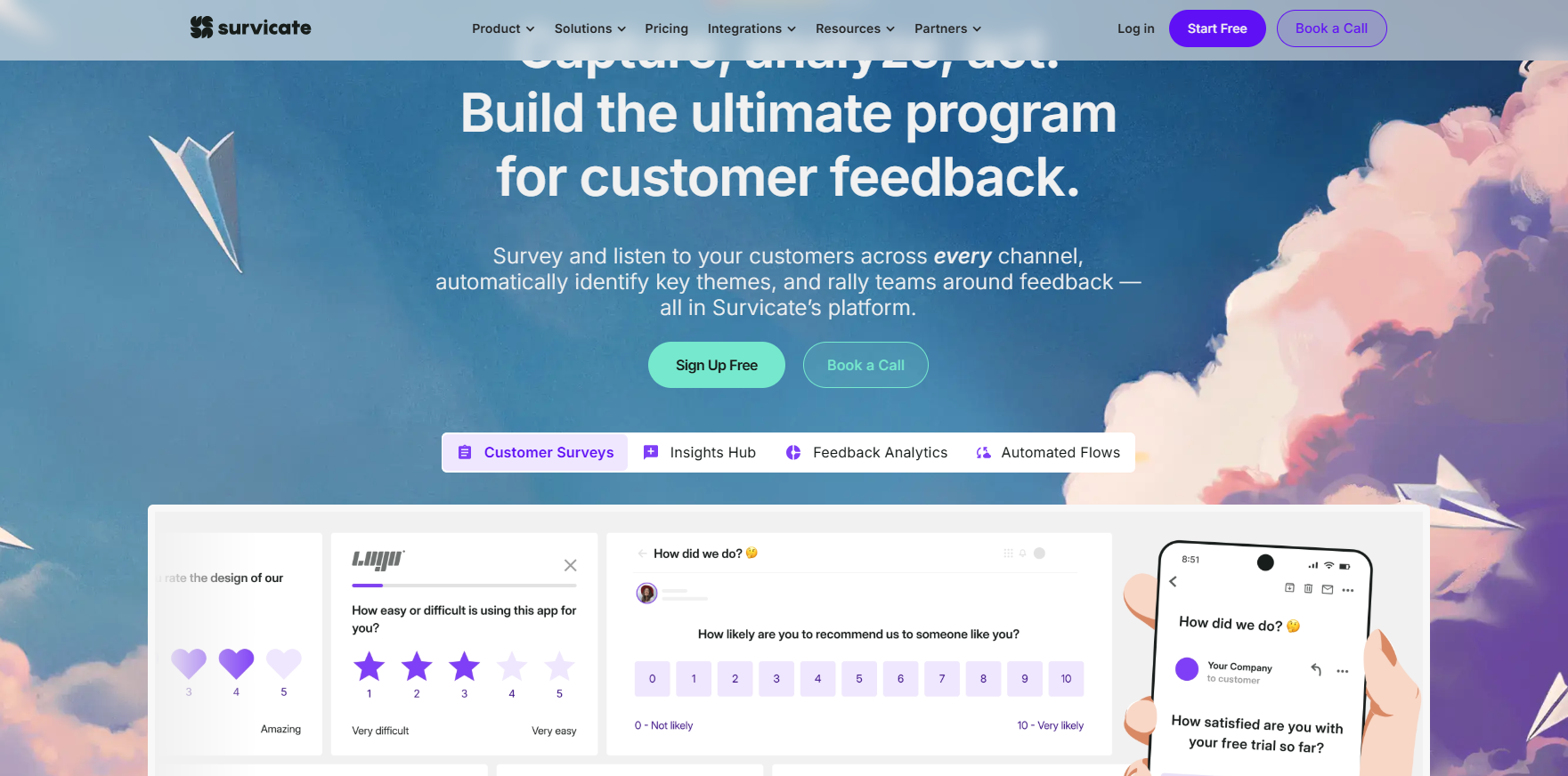
Survicate is a customer feedback platform built for B2B SaaS, retail, and media companies that want to collect targeted user feedback and turn it into action. It scores higher than Qualtrics on G2 for Ease of Use (9.3 vs 8.4), Ease of Setup (9.1 vs 7.6), and Quality of Support (9.4 vs 8.5). Furthermore, it is faster to launch, easier to manage, and comes with a generous set of integrations.
Key Features:
Pros:
Cons:
Pricing: Paid plans start at $114/month for the Starter tier.
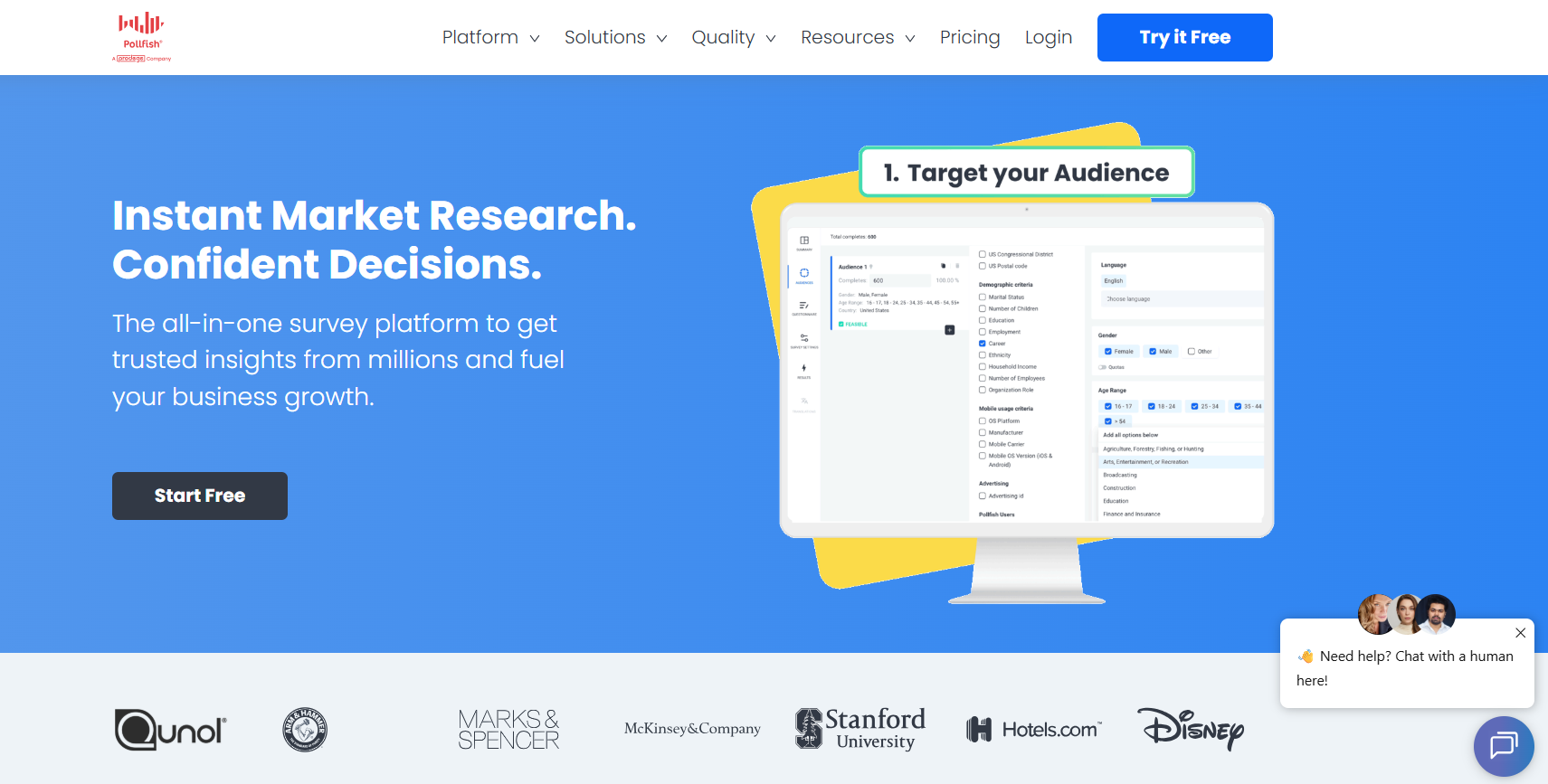
Pollfish is a market research platform that gives you access to a first-party respondent panel embedded in real apps. This means you reach real consumers in their natural environment, not just professional survey takers. It is fast, with general audience surveys often returning 500+ responses within hours.
Key Features:
Pros:
Cons:
Pricing: Pay-as-you-go starting at $0.95 per response.
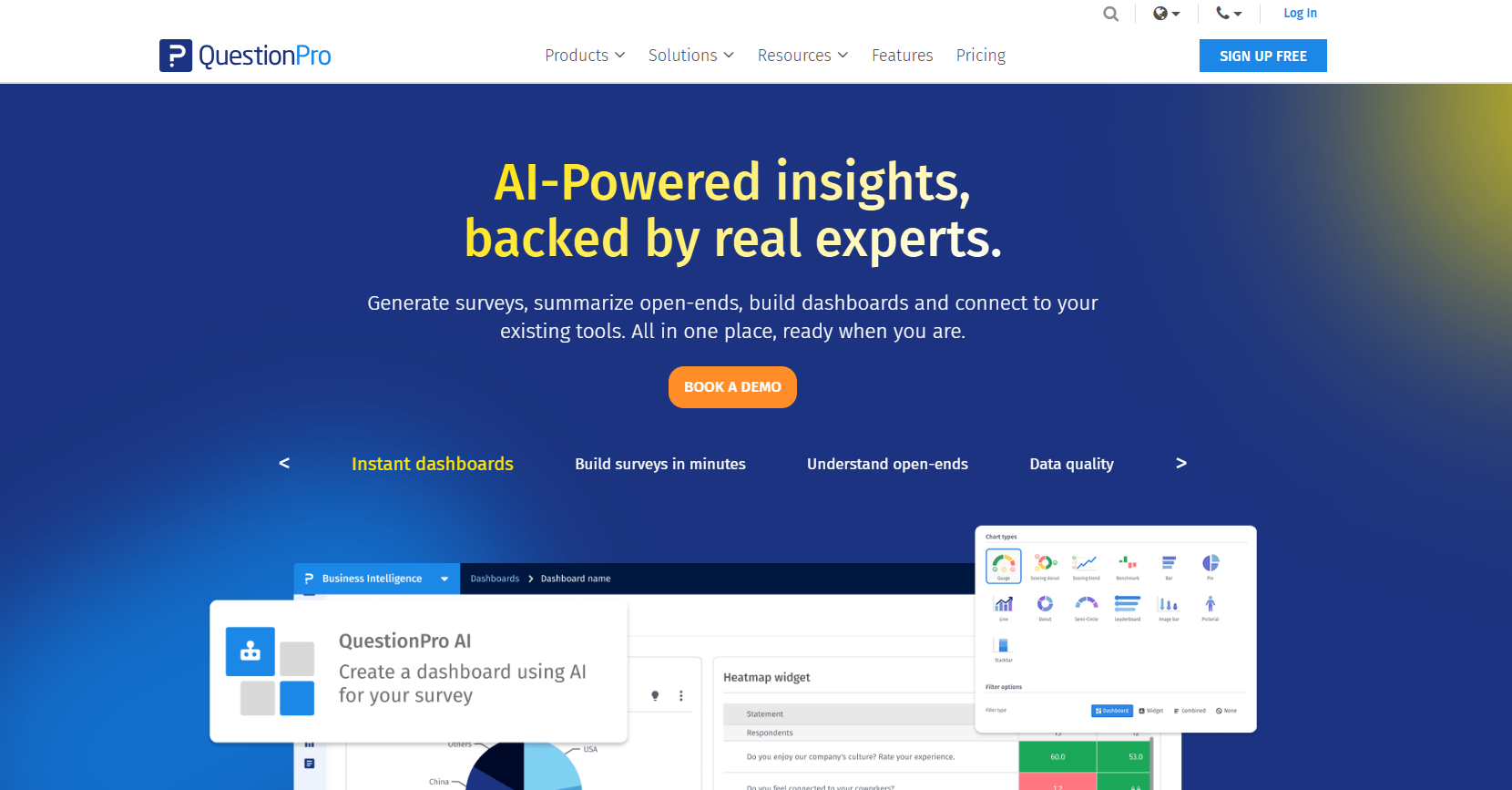
QuestionPro is a versatile survey platform that supports everything from simple NPS surveys to complex research methodologies like conjoint analysis, MaxDiff, and A/B testing. It covers customer experience, employee feedback, and market research in one platform, making it a flexible option for teams with diverse survey needs.
Key Features:
Pros:
Cons:
Pricing: Paid plans start at $83/month.
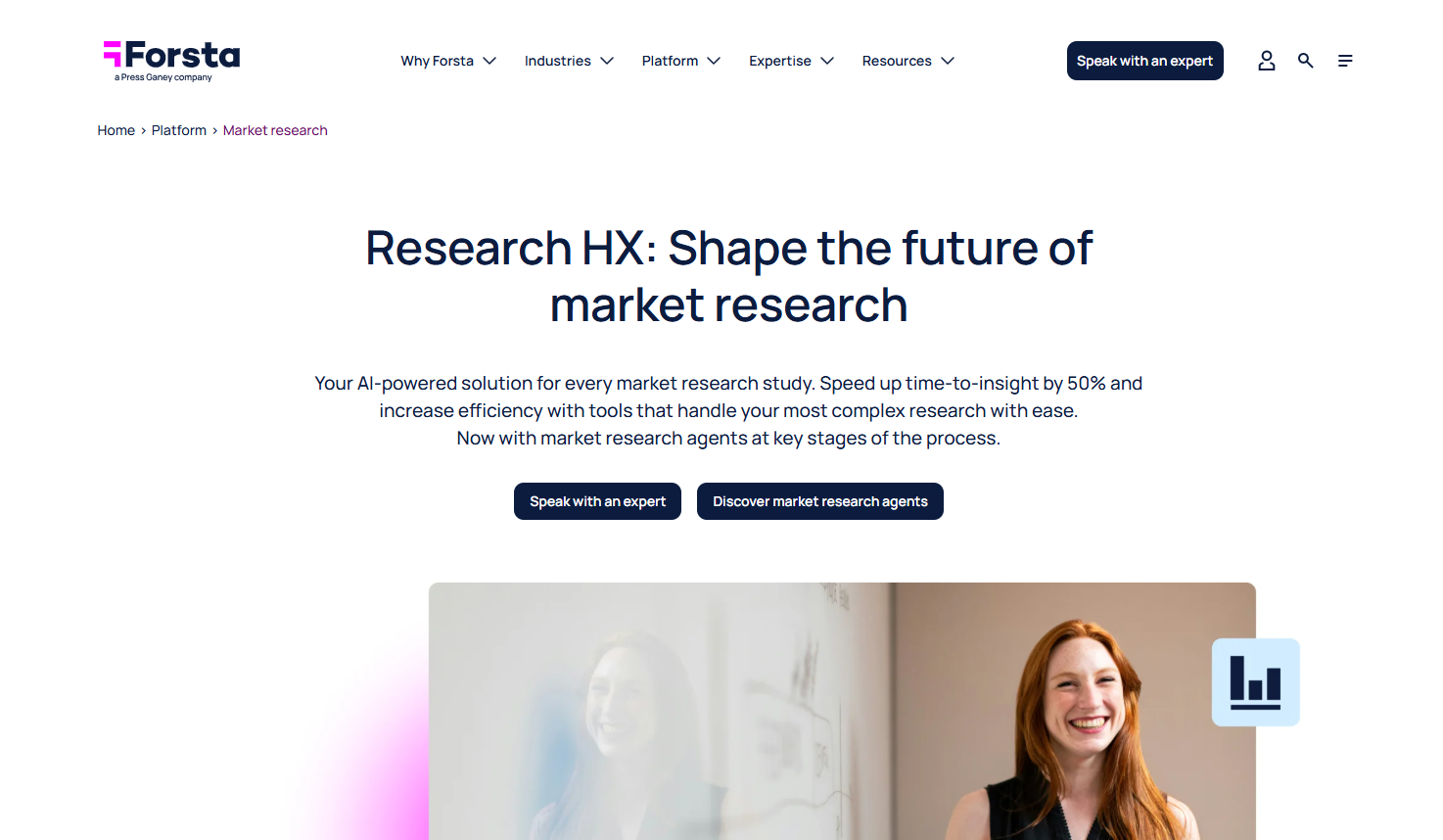
Forsta is an enterprise research and experience management platform built for organisations that need to combine survey data with online reviews, brand tracking, and behavioural data. It supports online surveys, focus groups, and diary-based research, making it flexible for both CX and market research teams.
Key Features:
Pros:
Cons:
Pricing: Quote-based. Typically aimed at enterprise organisations.
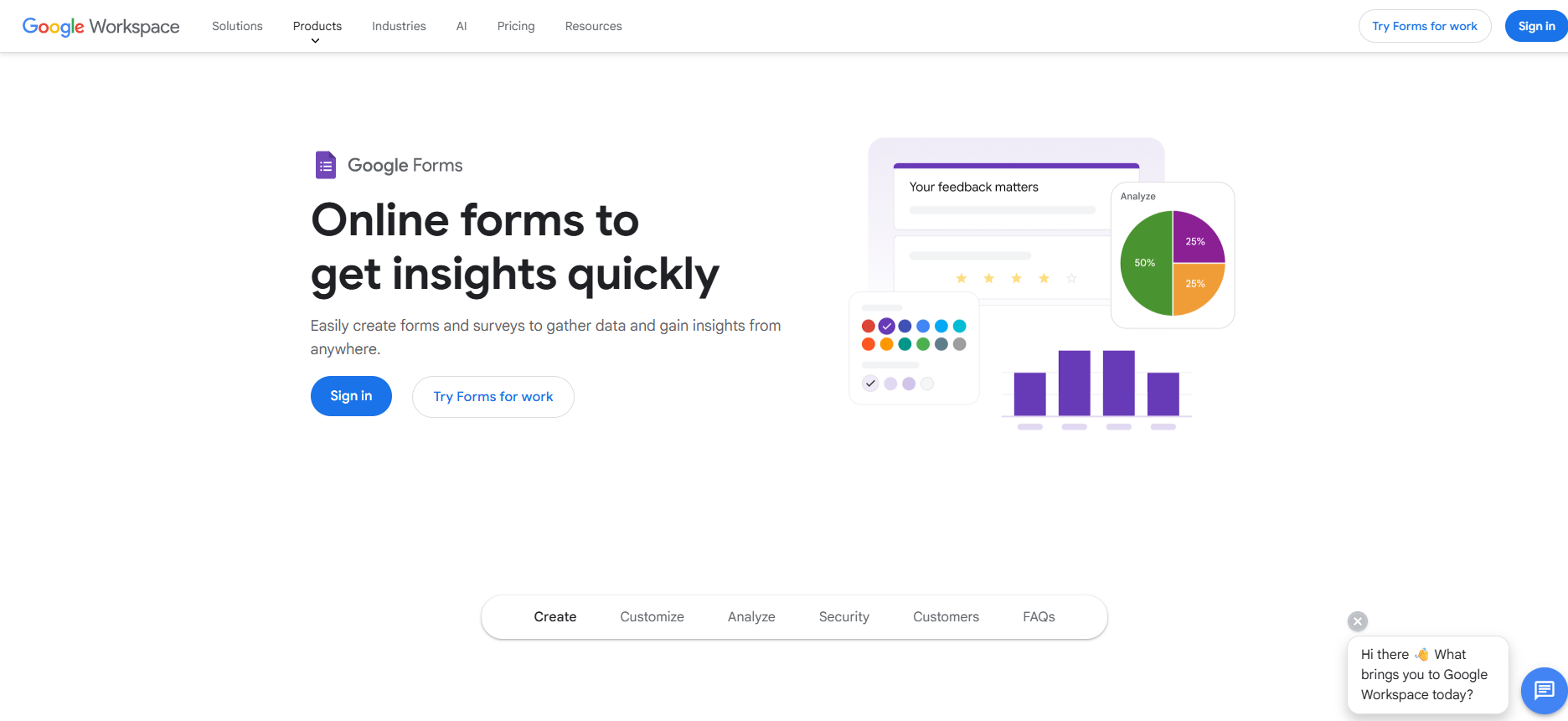
Google Forms is the zero-cost option for teams that need simple surveys, quizzes, or data collection forms. It is part of Google Workspace and connects naturally with Google Sheets for analysis. Another good thing about Google Forms is that it requires no learning curve. If you have used Google Docs, you already know how to use it.
Key Features:
Pros:
Cons:
Pricing: Free
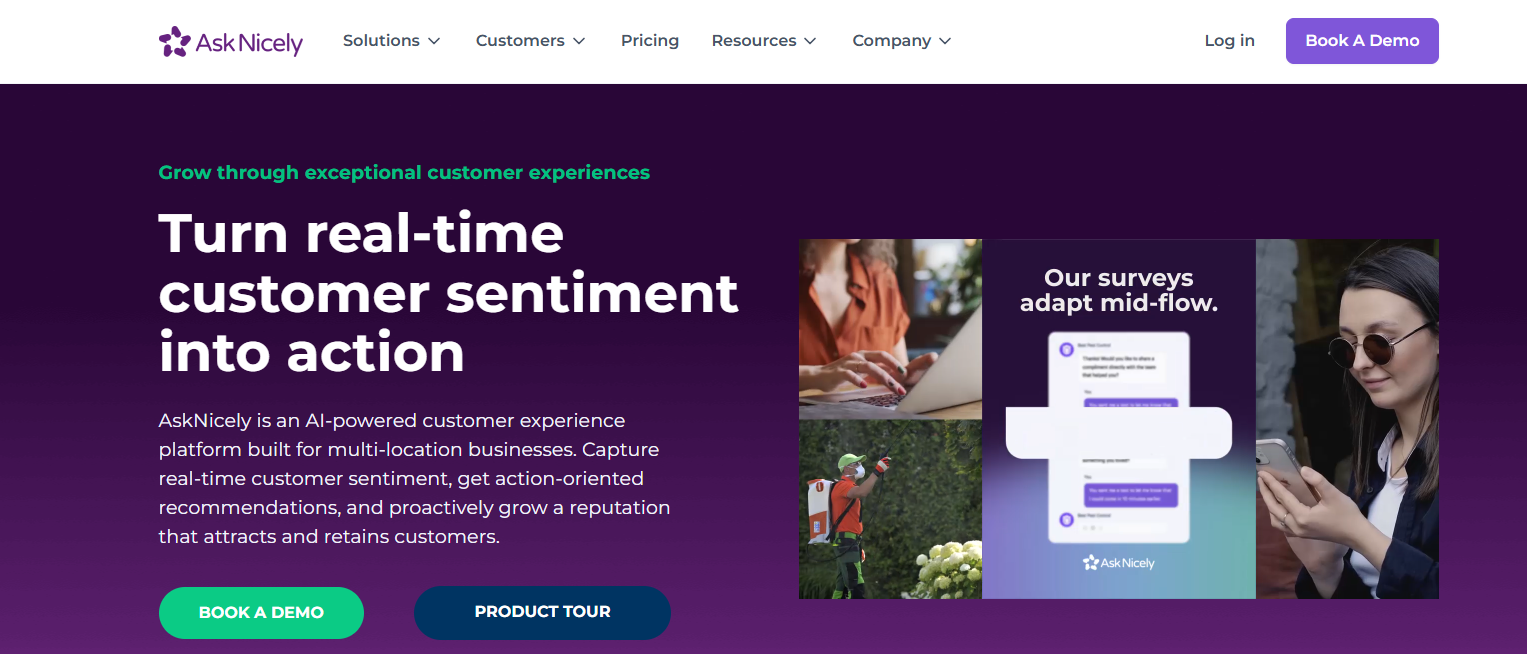
AskNicely is a customer experience software focused on NPS and CSAT programs. It helps frontline teams collect feedback at key moments, respond to it quickly, and convert happy customers into public reviewers. It is a great fit for service businesses and franchise models where frontline experience drives growth.
Key Features:
Pros:
Cons:
Pricing: Quote-based.
Now, while going through 12 tools one by one is helpful, sometimes you just want a quick overview. The table below gives you a clear snapshot so you can shortlist the tools that match your needs:
Qualtrics remains a powerful choice for organisations that need deep, enterprise-level experience management. However, many teams today prefer tools that are faster, simpler, and easier to manage without heavy setup. Your team might fall into this category. Well, if you want a more streamlined way to collect feedback and turn it into real product decisions, Productlogz is a great place to start.
Sign up on Productlogz for free today and start building with real user insight.
1. Is Qualtrics free?
No. Public pricing starts at $420/month for 1,000 responses. Enterprise plans are quote-based.
2. What is the best alternative to Qualtrics?
It depends on your needs. But if you want something simple, modern, and built for action (not just data collection), Productlogz is one of the strongest options.
3. Can I use Productlogz instead of a survey tool?
Yes. Productlogz includes AI surveys, feedback boards, and analytics.
4. Which Qualtrics alternative is best for startups?
Startups usually need speed and affordability. Productlogz is a great fit because it is easy to set up, budget-friendly, and built for growing teams.
No sales calls. No long setup. Create your workspace and start collecting feedback today.
